
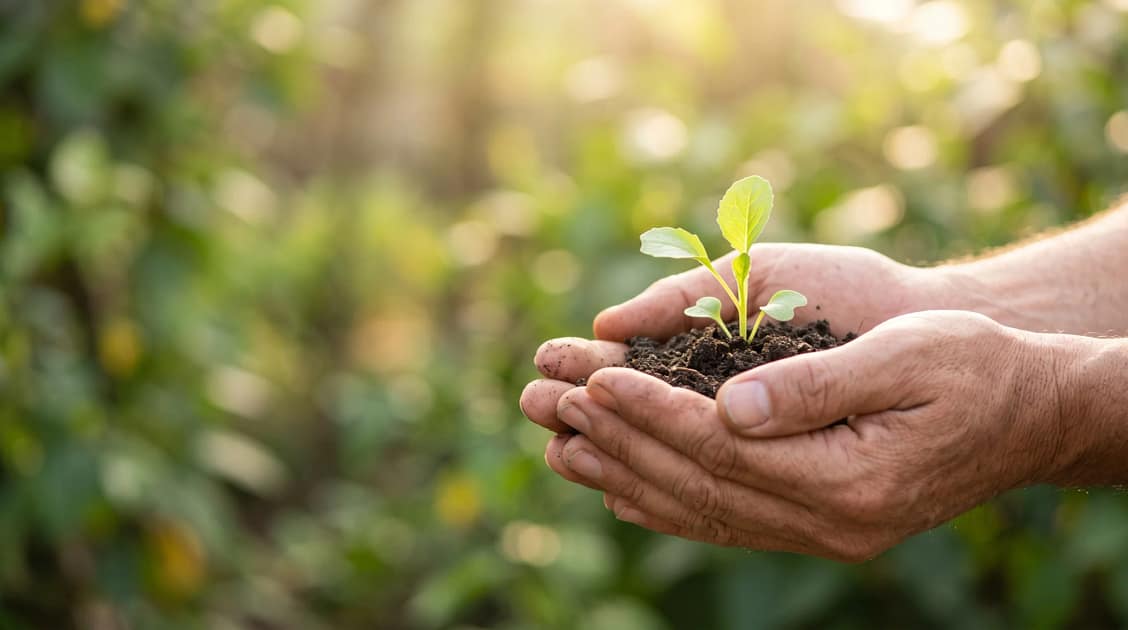
What Does Eco-Friendly Mean?
Eco-friendly means causing little to no harm to the environment. It describes products, habit, and choices that conserve natural resources, cut pollution and reduce waste, instead of depleting or damaging the planet’s ecosystems. It’s not a single action but a standard you apply to everyday decisions: what you buy, how you travel and what you throw away.
That’s the short answer. Here’s what it actually looks like in practice.
The Core Principles Behind “Eco-Friendly”
Every eco-friendly choice touches one or more of these five principles:
- Sustainability: using resources at a rate the planet can replenish, so they’re still available for future generations.
- Pollution reduction: limiting waste, emissions and chemicals that contaminate air, water, and soil.
- Energy efficiency: using less energy overall and favouring renewable sources like solar and wind over fossil fuels.
- Circularity and recyclability: designing products to be reused, repaired or recycled rather than sent to landfill after one use.
- Biodegradability: choosing materials that break down naturally instead of persisting as pollution for decades.
A product or habit doesn’t need to tick every box to count as eco-friendly, but the more of these it addresses, the lower its overall environmental footprint.
Eco-Friendly vs. Green vs. Sustainable: What’s the Difference?
These three terms get used interchangeably, but they carry slightly different emphasis:
| Term | What it Emphasizes |
|---|---|
| Eco-friendly | Minimising harm to the environment in a specific action or product |
| Green | A broader lifestyle or brand identity built around environmental values |
| Sustainable | Long-term resource management that doesn’t compromise future availability |
In practice, an eco-friendly product is usually one piece of a wider sustainable or green lifestyle, the terms overlap far more than they conflict.
What Makes a Product Eco-Friendly?
When you’re evaluating whether something genuinely deserves the label, look for:
- Materials: recycled, renewable or biodegradable inputs rather than virgin plastic.
- Manufacturing: lower energy and water use, reduced emissions during production.
- Packaging: minimal, recyclable or plastic-free.
- Durability: built to last rather than designed for replacement.
- End of life: recyclable, compostable or reusable rather than destined for landfill.
Watch out for greenwashing: vague claims like “natural” or “eco” with no certification or evidence behind them. A genuinely eco-friendly product usually points to specifics: a certification, a materials breakdown or a measurable reduction (e.g., “30% less plastic than our previous packaging”).
Everyday Examples of Eco-Friendly Choices
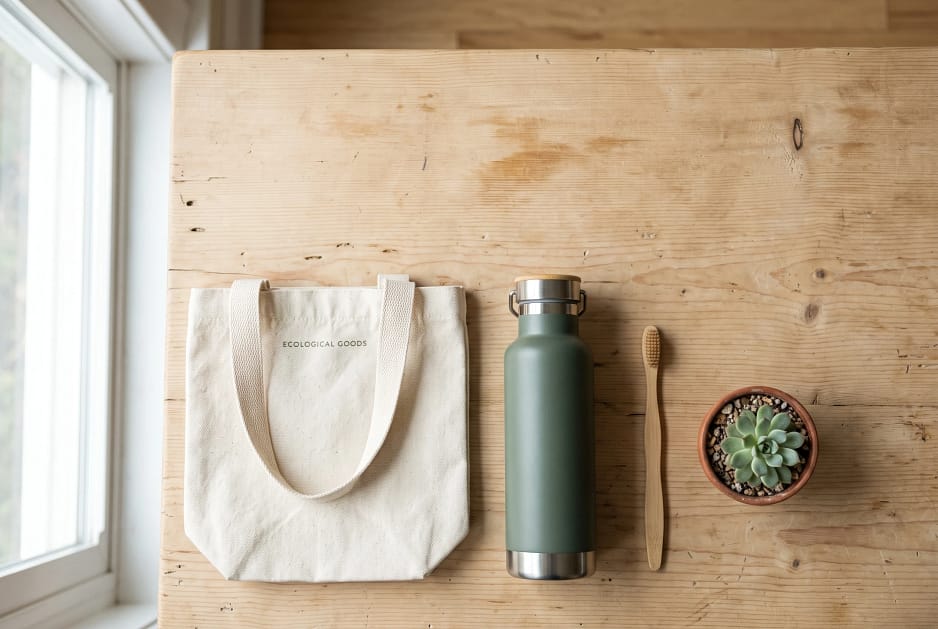
You don’t need to overhaul your life overnight. Small, consistent swaps add up:
- Swapping single-use plastic bottles for a reusable water bottle
- Choosing a bus, bike, or walk over driving when it’s practical
- Buying secondhand or upcycled items instead of new ones
- Switching to reusable shopping bags and produce bags
- Composting food scraps instead of sending them to landfill
- Choosing energy-efficient appliances and LED lighting
- Repairing items instead of replacing them
Is “Eco-Friendly” the Same as “Zero-Waste”?
No, they’re related but not identical. Zero-waste is a specific, stricter goal: eliminating waste sent to landfill entirely. Eco-friendly is a broader spectrum, you can make eco-friendly choices (like buying a reusable bottle) without pursuing a full zero-waste lifestyle. Zero-waste living is one advanced expression of being eco-friendly, not a prerequisite for it.
Frequently Asked Questions
Does eco-friendly mean the same as “green”?
They’re closely related. “Eco-friendly” usually describes a specific product or action, while “green” more often describes a broader lifestyle, brand or movement. In everyday use, most people treat them as synonyms.
Is being eco-friendly expensive?
Not necessarily. Many eco-friendly habits – using less energy, buying less, repairing instead of replacing, can save money over time. Some eco-friendly products do carry a higher upfront cost, but that’s not true across the board and it’s not a requirement of being eco-friendly.
What’s an easy first step toward being more eco-friendly?
Start with one habit you can sustain, such as carrying a reusable bottle or bag. Small, consistent changes compound faster than trying to overhaul everything at once.
How can I tell if a product’s eco-friendly claims are genuine?
Look for specifics: certifications, third-party verification, or measurable claims (e.g., “made from 80% recycled ocean plastic”) rather than vague marketing language like “natural” or “eco-conscious” with no evidence behind it.
Is eco-friendly the same as sustainable?
They overlap significantly. “Sustainable” tends to focus on long-term resource management; “eco-friendly” focuses on minimising harm in a given action or product. Most sustainable practices are also eco-friendly and vice versa.
Keep Going
Understanding what eco-friendly means is the first step. If you’re ready to put it into practice, start with the Beginner’s Guide to Sustainable Living or check out 7 Simple Ways to Become More Eco-Friendly for practical next steps. And if you want to make sure, you’re not falling for empty marketing claims, read What Is Greenwashing?