
Starting a low-waste life can feel like staring at a mountain of changes you’re supposed to make all at once: swap this, stop buying that, learn to compost, remember your bags. It’s a lot. That’s exactly why we put together the Eco Waste Free Starter Kit, a free, one-page guide that breaks it all down into small steps you can actually keep up with.
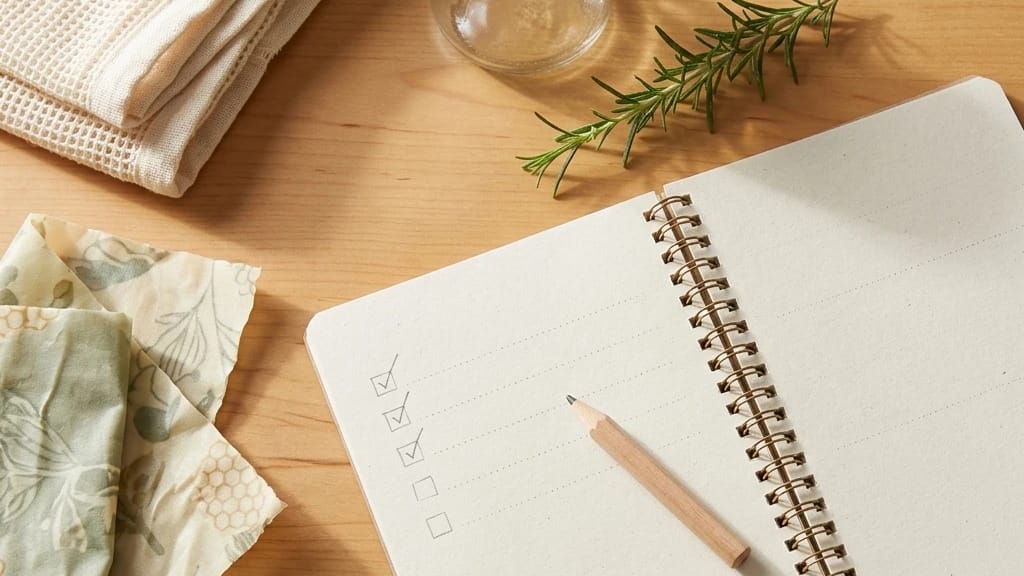
This isn’t a kit you print and tuck in a drawer. It’s a tool you use, pin to your fridge and come back to on the days you need a nudge. Below is what’s inside it, why each part matters and how to get your copy sent straight to your inbox.
Why a low-waste kitchen starts with one small kit
The kitchen is where most households generate the bulk of their everyday waste: packaging, food scraps, single-use everything. It’s also the easiest room to start in, because the swaps are simple and the habits build on each other quickly.
Trying to overhaul your whole kitchen in one weekend usually backfires. You buy a pile of reusable products, feel overwhelmed and half of it ends up unused in a cupboard. A starter kit works better because it gives you a short, clear list to work through at your own pace, one change at a time, without the pressure to get it all right immediately.
That’s the thinking behind this kit. It’s not a lecture on how you should be living. It’s a practical checklist from someone who wants to make this easier for you, not harder.
What’s inside the Eco Waste Free Starter Kit
The kit is a single printable page, designed to be quick to read and easy to stick somewhere visible. It covers four areas:
Quick swaps you can make today, no planning required
Kitchen habits that reduce waste without adding extra work
Composting basics for complete beginners
A simple hydration tip to help you cut down on single-use bottles
It’s designed to sit on your fridge or kitchen noticeboard, something you glance at while you’re cooking or packing lunches, rather than a PDF that disappears into a folder you never open again.
Quick swaps you’ll make in week one
The fastest way to lower your household waste is to swap the things you’re already buying for a reusable or lower-waste version. No new habits to learn yet, just a different product in the cupboard.
The kit starts with two swaps that most people can make within a week:
- Set up a kitchen compost bin
- Beeswax wraps instead of clingwrap
None of these require you to change how you clean or wash up. You’re just choosing a different version of something you already use daily. If you want a deeper dive into swaps like these across the whole kitchen, our plastic free kitchen swaps guide walks through more options room by room.
Small as these changes sound, they add up fast. A household that makes even two or three of these swaps will notice less plastic in the recycling bin within a few weeks.
Kitchen habits the kit helps you build
Swaps change what you buy. Habits change what you do and that’s where the longer-term waste reduction happens. The kit focuses on three habits that are simple enough to stick, even on busy days.
Saying no to cling wrap, using beeswax wraps or silicone lids instead
Shopping with reusable produce bags
Using cloth napkins instead of paper ones
These habits work because none of them demand extra time once they’re in place. A beeswax wrap takes the same ten seconds as cling film. A cloth napkin goes in the wash with everything else. The only real work is in the first week or two, when you’re building the habit, which is exactly why the kit is designed to keep front of mind during that stretch.
If you want more ideas along these lines, 12 easy swaps to live waste-free at home covers habits beyond the kitchen too, for when you’re ready to expand past these four.
Composting basics made simple
Composting is one of those things that sounds more complicated than it is and that’s often what stops people from starting. The kit strips it back to the basics: what to use, what to add and what to leave out.
To get started, the kit recommends:
A countertop compost bin
That’s genuinely enough to begin. You don’t need a big backyard setup or any special knowledge of what goes where. A countertop bin and a short list of what’s safe to add will get most households composting their food scraps within a day.
If you’d like to go further once you’ve got the basics down, our guide on turning kitchen scraps into garden gold and our tips for reducing food waste are good next stops.
The kit also includes a quick hydration tip: carry a reusable water bottle everywhere and refill it wherever you can, cafes, fountains, work. It’s a small reminder, but single-use bottles are one of the easiest things to cut out once a reusable one becomes a habit.
Get your free kit: enter your email to download
Everything above, the swaps, the habits, the composting basics, the hydration tip, is laid out on one printable page designed to be simple, friendly and genuinely useful. It’s free and it’s ready whenever you are.
Enter your email below and we’ll send your free Eco Waste Free Starter Kit straight to your inbox.