
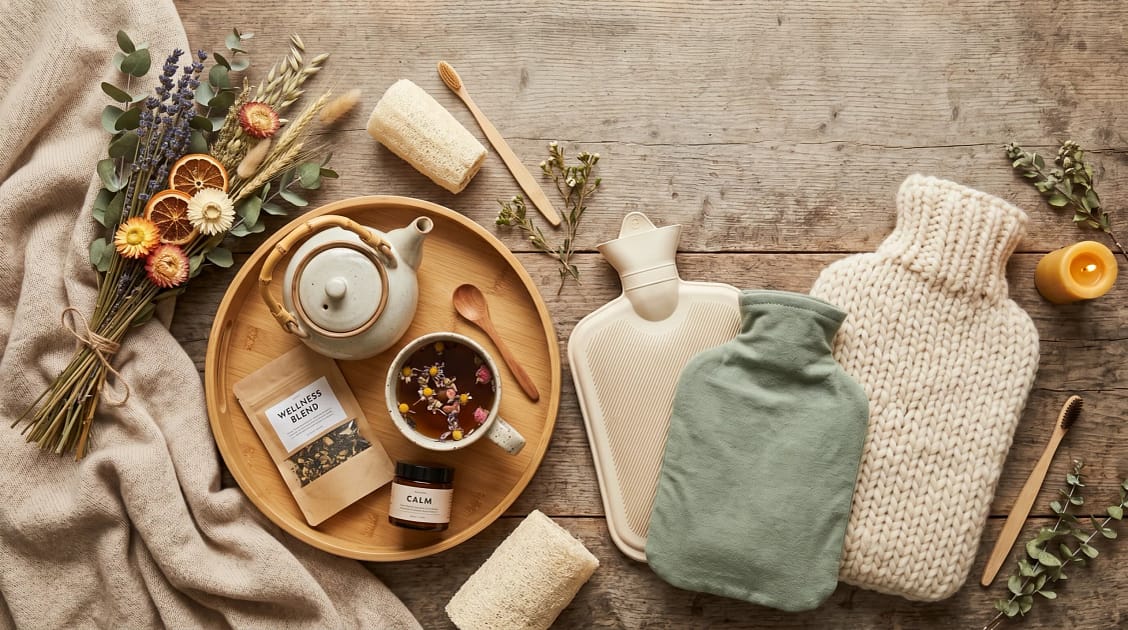
Traditional hot water bottles have always been great for staying cozy on cold nights, so I started looking for options that didn’t just warm me up but also fit my commitment to living a little more gently on the planet.
I have created the complete guide to eco hot water bottles, as I learned pretty quickly, that the materials and manufacturing of standard bottles can be hard on the environment. That made me curious about eco hot water bottles and how they can match comfort with more sustainable choices. I wanted all the usual warmth without creating unnecessary waste or adding more plastic to the world. Over time, I found out that making small, mindful swaps like this really adds up.
What Is an Eco Hot Water Bottle?
An eco hot water bottle is a reusable hot water bottle made with lower-impact materials, usually natural rubber or a plant-based (sugarcane) thermoplastic, and often paired with a cover made from organic cotton or recycled fleece. Compared with a standard PVC or synthetic rubber bottle, it aims for fewer harmful chemicals, less plastic waste and a longer life. “Eco” isn’t a regulated label, so the materials and certifications are what really count.
Used well, one bottle gives you hours of warmth for aches, cramps and cold beds without batteries or electricity.
| Label | Traditional bottle | Eco hot water bottle |
|---|---|---|
| Material | Often PVC or synthetic rubber | Natural rubber or plant-based thermoplastic |
| Chemicals | Cheaper PVC bottles can contain plasticisers such as phthalates | Usually PVC- and phthalate-free (check the label) |
| Smell | Can have a strong rubbery or chemical smell | Thermoplastic is typically odourless; natural rubber has a faint scent |
| End of life | Rarely recyclable | Some are recyclable, so check with your local facility |
| Cover | Often synthetic | Often organic cotton or recycled fleece |
This Guide Covers
- What makes a hot water bottle truly eco-friendly
- Popular eco materials and why they matter
- Benefits you get from switching
- How I choose the best bottle for my needs
- Tips for getting the most life from your eco bottle
- Eco materials compared side by side
What Makes a Hot Water Bottle Eco-Friendly?
Eco hot water bottles use materials and manufacturing that aim for a smaller carbon footprint and less waste. This usually means the bottle is made using natural rubber, biodegradable or recyclable plastics, or materials produced with renewable energy. I’ve found that eco bottles often come with covers made from organic cotton or recycled fibres (fibers), adding an extra layer of planet friendly comfort. Some innovative brands even experiment with new plant-based materials.
Eco hot water bottle materials compared
The bottle and the cover are two separate material choices, and both matter.
| Material | Where it comes from | What to expect | Watch out for |
|---|---|---|---|
| Natural rubber | Sap of rubber trees, a renewable source | Soft, flexible, moulds to your body; faint rubber scent | Not suitable if anyone has a latex allergy. Vulcanised rubber breaks down slowly, so it isn’t a compost-bin material |
| Bio-based thermoplastic (sugarcane) | Plant-based plastic, made mostly from renewable sources by brands such as Hugo Frosch and Fashy | Odourless, PVC- and phthalate-free, wide easy-fill neck | Firmer and less mouldable than rubber. Recycling depends on your local facilities |
| Recycled thermoplastic or fleece | Reused plastic or fibres | Keeps existing plastic in use instead of making new | Look for a brand that says how much is recycled |
| Organic cotton cover | Cotton grown without synthetic pesticides | Removable and washable, breathable | Slightly less heat retention than thick fleece |
| Recycled fleece cover | Recycled polyester fibres | Soft, warm, holds heat well | Sheds microfibres, so wash it gently and less often |
Which one should you pick? If you want a soft bottle that moulds to sore muscles and nobody has a latex allergy, natural rubber is a good fit. If you want no smell, an easy fill and a bottle that keeps its shape, go for a plant-based thermoplastic. In both cases, choose a cover you’ll actually keep using.
I currently use a natural rubber bottle for its flexibility; it moulds nicely on sore and tired muscles especially my lower back.
Because “eco” isn’t regulated, look for named certifications on the bottle or cover (for example TÜV testing for the bottle or OEKO-TEX® for the cover) and a brand that is open about what the bottle is made from. I go through one example in my Hugo Frosch 2L eco hot water bottle review and if you’re still weighing up the swap, how eco bottles compare with traditional ones covers the differences in more detail.
Benefits of Choosing an Eco Hot Water Bottle
- Less plastic waste and pollution during production and disposal
- Often lasts just as long as regular bottles, sometimes even longer
- Usually free from common toxic chemicals like BPA and phthalates
- Reusable comfort with a lower impact. No batteries or electricity needed
- Many brands commit to fair worker treatment and climate conscious shipping
I feel better knowing my winter routine actually helps reduce unnecessary waste, and my eco hot water bottle stays warm all through the night. If you’re still switching from a traditional bottle, it’s a small change that’s easy to make. Plus, supporting brands that care about the environment makes me feel more connected to like-minded folks trying to make eco choices in daily life.
How I Choose the Right Eco Hot Water Bottle
The first thing I look at is the material. Natural rubber is my go-to when I want a soft bottle made from a renewable source, while recyclable thermoplastic is a good fit if I plan to recycle the bottle later. Bottle size matters, too. I’ve found 1 to 2 litre bottles hold enough warmth for several hours, but smaller ones are great for travel or kids. I always pick a cover that feels good and washes easily, like organic cotton or recycled fleece. Certifications such as OEKO TEX® or carbon neutral labels help me check for safe, truly sustainable products. I read up about the brand to make sure they really walk the talk on eco values. Some companies offer lifetime guarantees or repair programs, so it’s worth looking into those extras as well.

How to Take Care of Your Eco Hot Water Bottle
- Never pour boiling water into the bottle. Water at 80°C is plenty warm and keeps the material strong.
- Let all the water out when finished using it and store the bottle dry, away from direct sunlight.
- If the cover is washable, toss it in with the usual laundry.
- Check for rubber cracks or leaks every couple of years and replace the bottle if it’s worn.
- For extra care, use distilled water to help prevent mineral buildup inside your bottle.
Doing these things helps the eco bottle last longer and makes sure it works safely every time. Taking a few simple steps allows you to get the most out of your sustainable swap, without surprise leaks or reduced heat retention.
Frequently Asked Questions
Can kids safely use eco hot water bottles?
Yes, especially when they have a good cover and come from brands that are open about using safe, nontoxic ingredients.
Are all eco hot water bottles recyclable?
Most thermoplastic bottles are, but I always double-check my local rules. Natural rubber bottles usually aren’t recyclable and break down slowly, so check the manufacturer’s advice before composting one.
Do they keep heat as long as regular bottles?
In my experience, yes. Expect 5 to 8 hours, especially with a high-quality cover.
Are there vegan friendly options?
Absolutely. Many eco bottles use plant-based rubber and skip animal materials in covers
How is thermoplastic different from rubber?
Thermoplastic bottles are usually odourless and recyclable, while natural rubber bottles have a faint scent and come from a renewable source but break down slowly.
Can I microwave my eco hot water bottle?
Generally, no. It’s best to stick with heating water separately before filling your bottle, as microwaving can weaken the material or damage seals.
What are eco hot water bottles made of?
Most are made from natural rubber or a plant-based thermoplastic (often sugarcane), with a cover in organic cotton or recycled fleece. The good ones are free of PVC, BPA and phthalates. See the materials table above for how they compare.
Are eco hot water bottles worth it?
They’re worth it if you want a bottle without PVC or phthalates, less plastic waste and a product built to last for years. They can cost more upfront than a basic bottle, so check for a warranty and a brand that’s clear about its materials.
How do I clean an eco-hot water bottle?
Rinse it with warm (not boiling) water and a little mild soap, drain it fully and let it dry with the stopper out before you store it. Wash the cover following its care label. Avoid harsh chemicals.
Where can I buy eco hot water bottles in New Zealand?
Sustainable retailers such as EcoWarehouse stock them, including the Hugo Frosch bottle I review. Check the material, the cover and any warranty before you buy.
My advice if you’re switching to an Eco Bottle
- Check product details and brand values before you buy.
- Pick a size that matches how you use your bottle. Bigger lasts longer, but smaller is more portable.
- Look after your eco bottle and cover, and you’ll enjoy years of cozy warmth.
- Consider gifting an eco-bottle to friends or family to spread the word and share the comfort.
Feeling ready to make the switch? You can find more comparisons and guides at Why Choose an Eco Hot Water Bottle Over a Traditional One? for more tips.
Related Article
Stay Connected!
Brought to you by Eco TIGA – Your Friendly Guide to Eco-Friendly Living
Affiliate Disclosure: Some of the links in this post may be affiliate links. This means if you click on the link and make a purchase, I may earn a small commission – at no extra cost to you. Rest assured, I only recommend products or services I truly believe in and think you’ll find valuable. Thank you for supporting ecotiga.com and helping me continue to provide helpful content.