
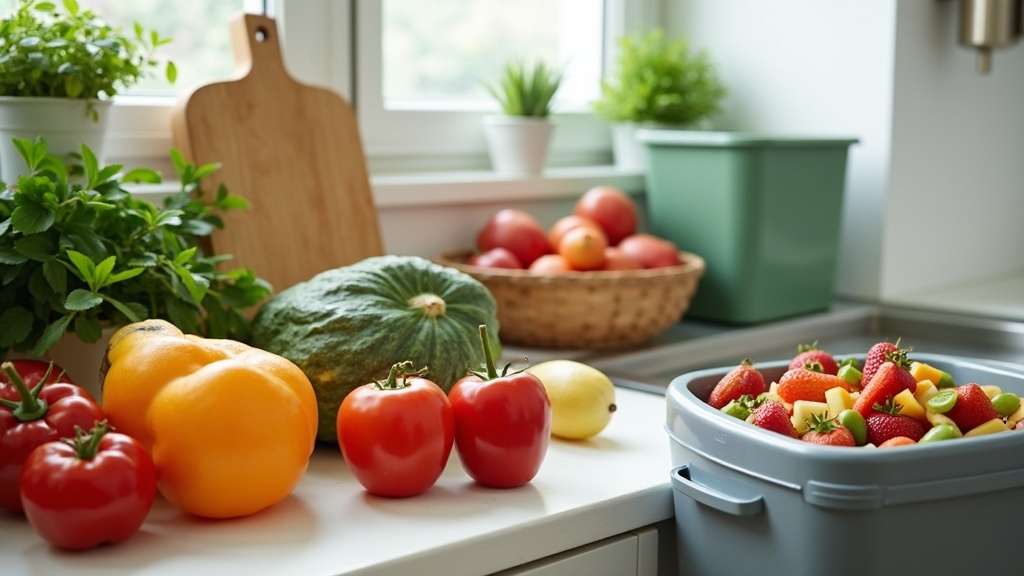
Reducing food waste is something I’ve really tried focusing on in my own kitchen, not just to save some cash but to help the environment too.
Tossing out uneaten food might feel minor in the moment, but it really adds up, both at home and on a global scale. Here you’ll find tips, tricks, and practical advice for getting the most out of your groceries and keeping that extra waste out of the trash.
1. Why Reducing Food Waste Matters
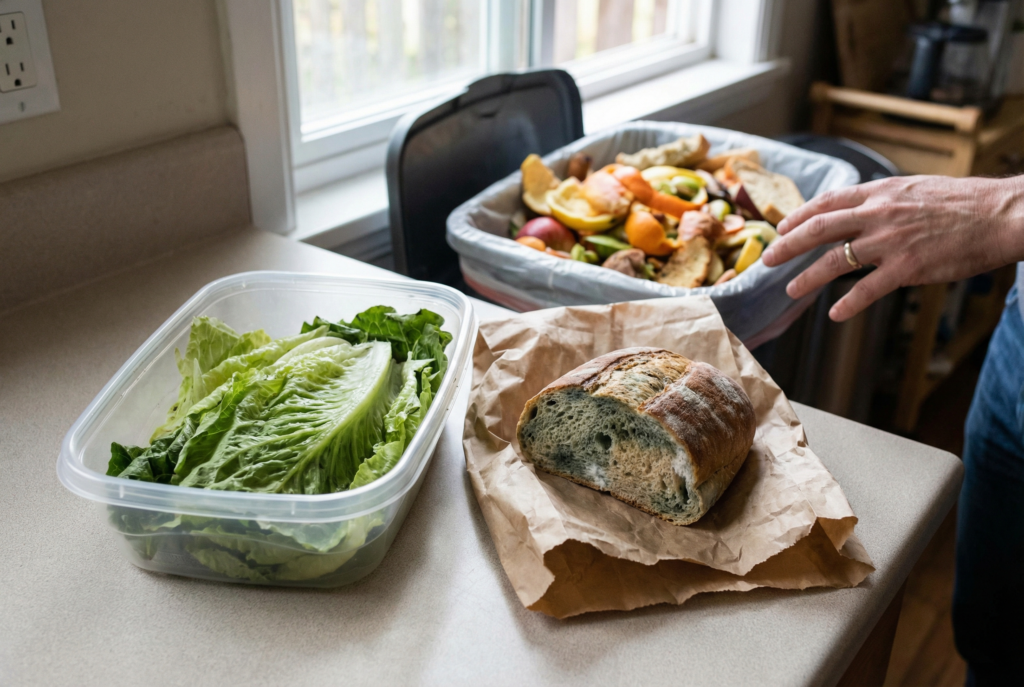
If you’ve ever stared at wilted lettuce or tossed half a loaf of bread, you’re not alone. Food waste is everywhere, from our fridges to restaurant tables, and it comes with costs that reach beyond the kitchen.
1.1 The environmental impact of food waste
Every time I throw away spoiled veggies or forgotten leftovers, I’m also tossing out all the water, energy, and resources it took to grow, pack, and get that food to my door. When food ends up in landfills, it creates methane – a greenhouse gas that’s tough on the planet. Cutting down food waste helps reduce greenhouse emissions and keeps those resources from going down the drain. The EPA gives a pretty detailed look at the connection between landfill food waste and environmental harm if you’re curious for more details.
1.2 How food waste affects your wallet
Wasting food basically means tossing out money. A lot of households don’t realize how much it adds up until they look at their garbage at the end of the week. From my experience, taking small steps to cut food waste turns into real savings over time. You’ll buy less and get more out of every trip to the store.
1.3 Global food waste statistics
About a third of all food produced each year is wasted worldwide, according to the United Nations. In the U.S. alone, the USDA estimates over 30% of the available food supply is wasted every year. That’s a huge amount of perfectly good food going to waste, especially when so many people face food insecurity. So, any effort at home, big or small, really matters.
2. Practical Tips to Reduce Food Waste at Home
Making smart choices at the grocery store and in the kitchen makes a huge difference in cutting down on waste. A little planning goes a long way, and honestly, it can make cooking a lot less stressful.
2.1 Smart grocery shopping and meal planning
The best way I’ve found to avoid overbuying is to stick to a shopping list based on what I already have in the fridge and pantry. I check out what’s on hand, jot down meals I want to make, and buy only what I need. Planning meals for the week can help you use up what you have before it spoils. Even just planning two or three dinners makes a difference.
- Make a list and stick to it – t helps avoid impulse buys.
- Shop your pantry first – see what ingredients you already have.
- Buy perishable items in smaller quantities if you notice lots of spoilage.
2.2 Portion control and mindful cooking
Cooking just enough food can be tricky, especially for big families or single servings. I’ve found that using measuring cups and smaller serving utensils helps manage portions. Leftovers are fine, but too many stack up quickly. Freezing extra portions or having a “leftover night” once a week can help avoid that mountain of half-eaten meals in the fridge.
2.3 Creative ways to use leftovers
Leftovers are awesome for quick lunches or easy dinners, but sometimes you need a little inspiration to make them feel new. Some ideas I use often:
- Stir fry leftover veggies with rice or noodles.
- Blend extra fruits into smoothies.
- Use last night’s roast chicken for tacos, salads, or sandwiches the next day.
Getting creative can turn odds and ends into tasty, new meals, and it saves you money too.
3. Food Storage Tricks to Keep Food Fresher Longer
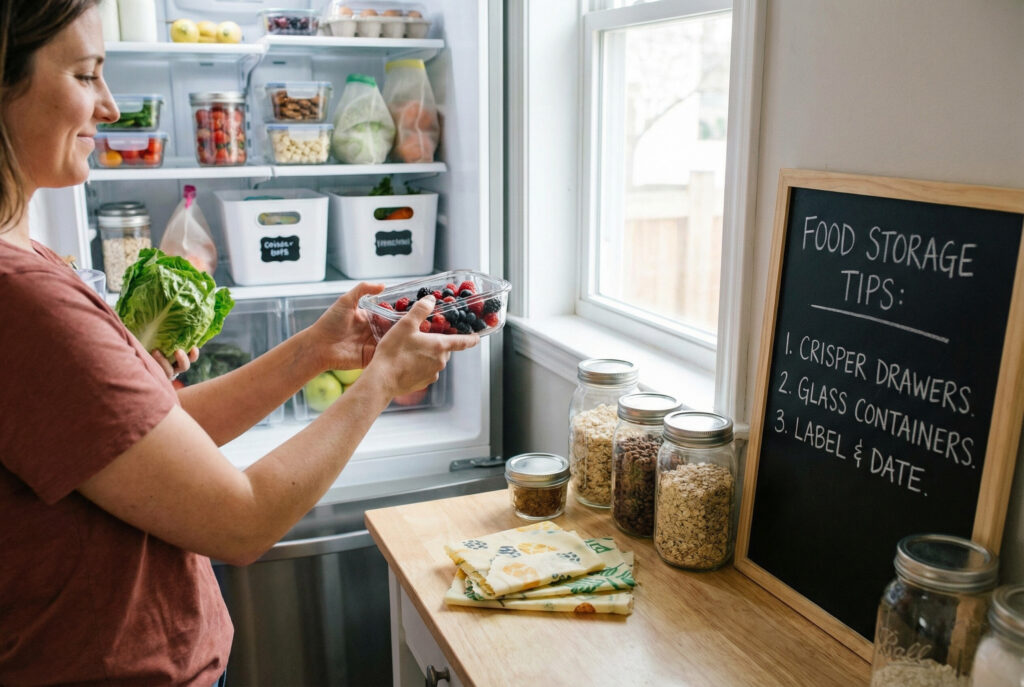
Learning a few food storage tricks can make everything last much longer. When I started organizing my fridge and using better storage containers, I noticed how much less food went bad. These routines are easy to pick up and can save a lot in the long run.
3.1 Best practices for fridge and pantry storage
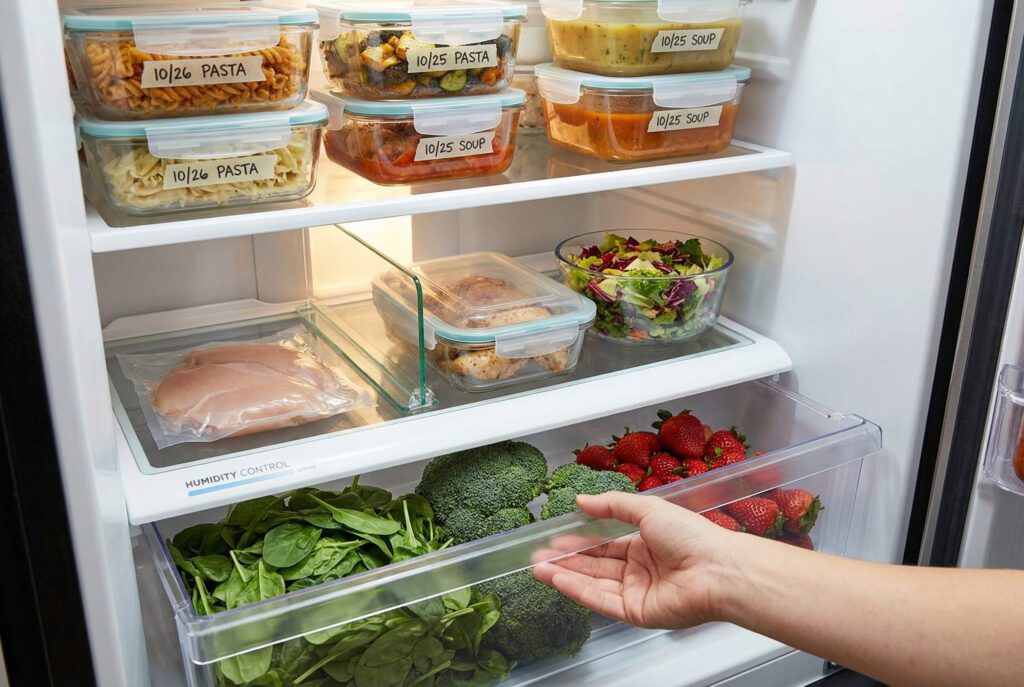
Organizing your fridge helps you spot what needs to be eaten first. I keep older products up front and newer ones in the back, a trick known as FIFO (First In, First Out). Some other handy habits:
- Store produce in the crisper drawer to maintain the right humidity.
- Keep ready to eat foods together, separate from raw meats.
- Use clear containers so you can easily spot leftovers.
- Label containers with dates so you know what to grab first.
3.2 Freezing tips to prevent spoilage
The freezer is a hero for preventing waste. Bread, cheese, chopped veggies, sauces, and even milk can be frozen if you’re not planning to use them soon. I freeze small amounts in individual portions for quick and easy meals down the road.
- Bread slices freeze well for toast or sandwiches.
- Bananas can be frozen for smoothies or baking.
- Label and date freezer containers to keep track of what you have.
3.3 Ecofriendly storage alternatives (like beeswax wraps)
Plastic wrap and bags add to environmental waste, so I’ve started using beeswax wraps, silicone bags, and glass containers as alternative options. They keep food fresh and cut down on single use plastic. Plus, a set of wraps or containers lasts ages and saves money over time. Investing in reusable materials pays off and keeps your kitchen running smoothly. If you’re looking to shrink your environmental footprint, try swapping disposable wraps with these ecofriendly options – they really make a difference.
4. Food Waste Prevention Techniques in the Kitchen
A few extra habits around the kitchen can have a big impact. From understanding food labels to getting the most out of veggie scraps, you can stretch your groceries further. Sometimes it just takes a new perspective to get more mileage from what you buy.
4.1 Understanding expiration dates vs. best before labels
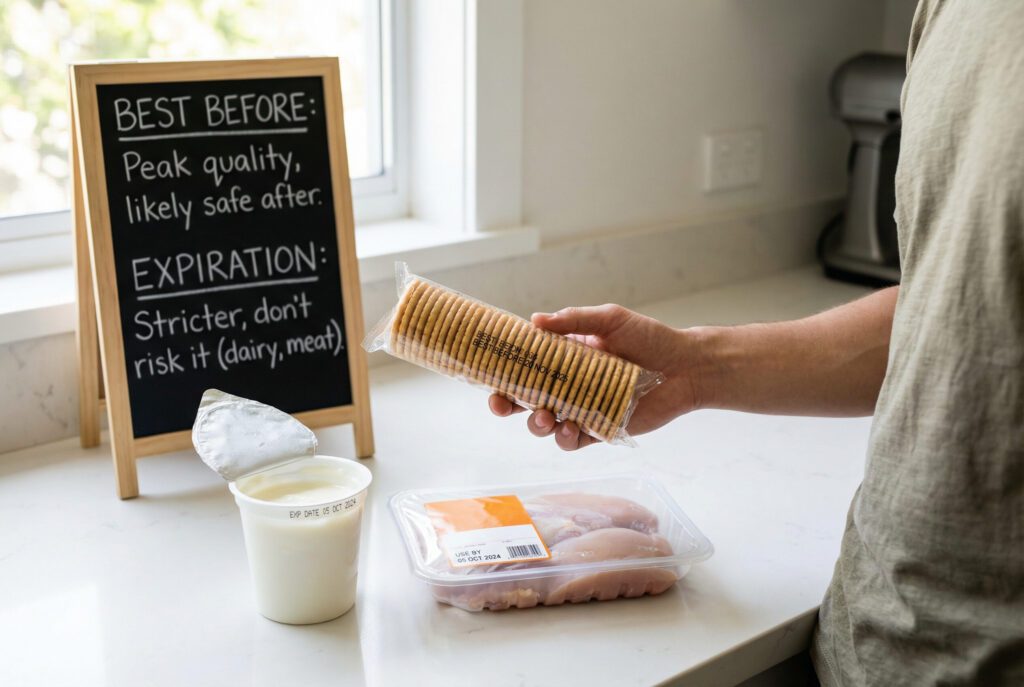
Best before and expiration dates trip up a lot of people (me included). “Best before” usually means the food is at peak quality before that date, but it might still be perfectly safe after. “Expiration dates” are stricter; they usually mean don’t risk it, especially for things like dairy or meat. Using your senses – smell, look, texture – helps a lot when deciding what’s still good.
4.2 Composting scraps instead of tossing them
I started saving veggie peels, coffee grounds, and eggshells for compost instead of trashing them, and it actually cuts down the amount I throw out every week. Composting at home or using a community compost program turns those scraps into rich soil for gardens rather than useless landfill waste. If gardening isn’t your thing, check if your city or local farms have a compost drop-off point. Even little changes, like composting a few eggshells or coffee grounds, can help reduce waste dramatically.
4.3 Batch cooking and preserving seasonal produce
Cooking bigger portions and saving some for later can rescue ingredients from spoiling. I’ll cook a pot of soup, stew, or sauce with whatever odds and ends need to be used up, then freeze extra portions. For produce, things like freezing berries, making pickles, or canning tomato sauce stretch seasonal produce way beyond its usual shelf life. Preserving food through canning and freezing lets you enjoy local fruits and vegetables year-round while slashing your food waste.
5. Final Thoughts on Minimizing Food Waste
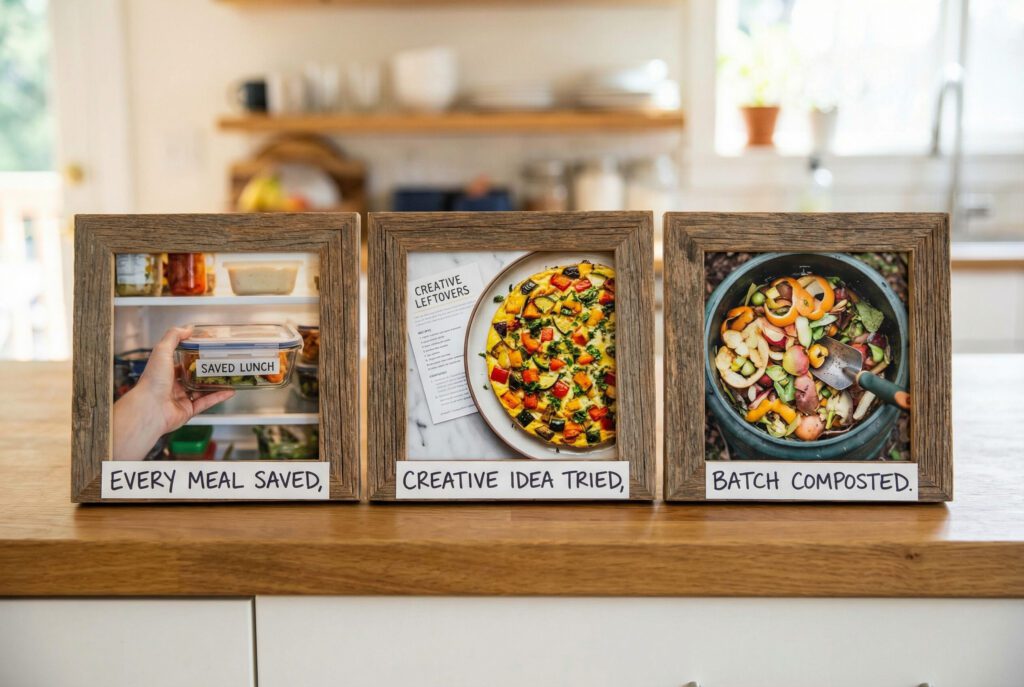
Tackling food waste at home is really doable when you make small changes over time. Every meal you save, creative leftover idea you try, or batch of veggies you compost adds up to real progress, not just for your household but for the bigger picture, too. Seeing the ripple effects of your actions helps reinforce those routines so they stick for good.
5.1 Small daily changes make a big difference
Changing habits doesn’t have to be overwhelming. I started with just one or two new practices at a time, like meal planning and better storage, and noticed results right away. Small swaps and little bits of effort grow into new routines that really stick. Each minor shift can become a lasting habit over time – before you know it, reducing food waste feels like second nature.
5.2 Encouraging family and community involvement
Getting others involved makes it easier and even more fun. My kids help choose recipes and think of creative leftover ideas, and we all treat “leftover night” as a challenge. Community food share programs, local composting, and food saving apps can help even more. It’s surprising how contagious good kitchen habits can be when you share ideas and encouragement with friends and neighbours. The momentum from swapping stories or sharing tips has helped everyone around me cut back on waste, too. Working together turns food waste reduction into a positive, community powered adventure.
Brought to you by Eco TIGA – Your Friendly Guide to Eco-Friendly Living
Affiliate Disclosure: Some of the links in this post may be affiliate links. This means if you click on the link and make a purchase, I may earn a small commission – at no extra cost to you. Rest assured, I only recommend products or services I truly believe in and think you’ll find valuable. Thank you for supporting ecotiga.com and helping me continue to provide helpful content.