
If you’ve been researching solar power, rising electricity bills, or backup energy options, you’ve probably come across the term home energy system.
It sounds simple… but it’s actually a bit of a layered concept.
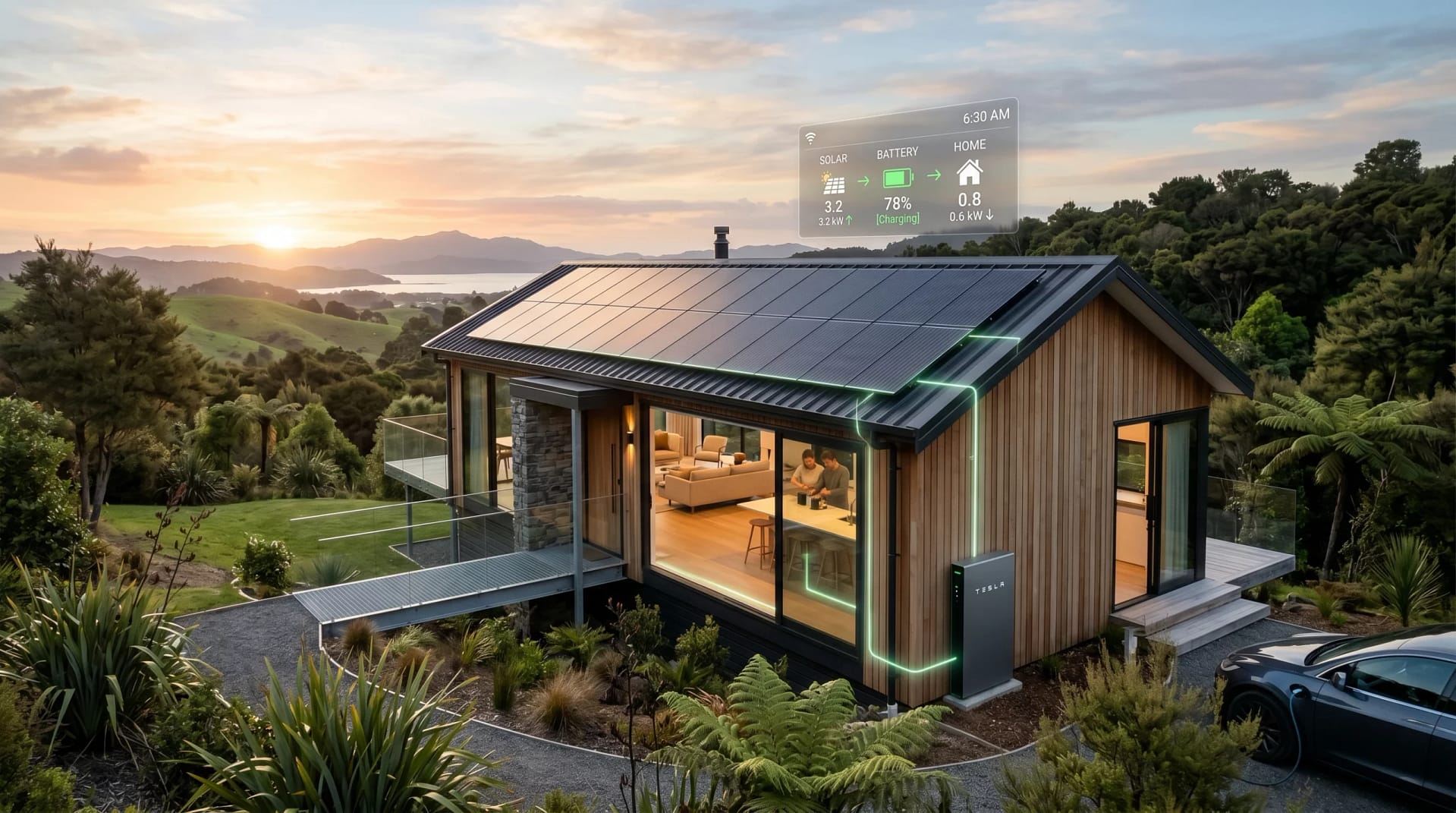
A home energy system isn’t just one product. It’s a combination of technologies that work together to generate, store, and manage electricity in your home.
In this guide, we’ll break down what a home energy system actually is, how it works, how it differs from home energy storage, and when each option makes sense for your home or lifestyle.
What Is a Home Energy System?
A home energy system is the complete setup that allows your home to produce, store, and control its own electricity.
Instead of relying only on the grid, you’re essentially creating a small, self-managed energy ecosystem.
Most modern systems include three core components:
1. Energy Generation (Usually Solar Panels)
Solar panels capture sunlight and convert it into usable electricity for your home. This is often the foundation of any home energy system, especially in sunny regions like New Zealand.
2. Energy Storage (Home Batteries)
Battery systems store excess electricity so you can use it later – at night, during peak pricing, or during outages.
This is the part most people are actually thinking of when they search for energy independence.
👉 If you want a deeper breakdown of how this works, see: What Is Home Energy Storage
3. Energy Management (Inverters + Smart Systems)
This is the “brain” of the system.
It controls how energy flows through your home:
- Solar → direct use
- Excess → battery storage
- Battery → night usage
- Grid → backup when needed
Smart monitoring systems also help you track usage patterns and optimise efficiency.
Home Energy System vs Home Energy Storage
This is where things often get confusing, but the difference is actually quite simple:
Home Energy System = The Whole Setup
Includes:
- Solar panels
- Battery storage
- Inverter
- Energy management system
It’s the complete package that runs your home’s electricity flow.
Home Energy Storage = One Part of the System
Focuses only on:
- storing electricity
- using it later when needed
It doesn’t generate power on its own.
👉 Think of it like this:
- A home energy system is the entire kitchen
- Home energy storage is just the fridge
When Do You Need a Full Home Energy System?
A full system makes sense if you:
- Own your home (or plan to stay long-term)
- Want to reduce reliance on the grid
- Are considering solar installation anyway
- Want full control over energy usage
It’s especially useful in times of rising energy prices or increasing demand on local grids.
When Home Energy Storage Alone Is Enough
In many cases, you don’t need a full system right away.
Home energy storage alone can be enough if you:
- Want backup power during outages
- Are testing renewable energy options
- Already have solar installed
- Want a lower-cost entry point into energy independence
Many people start here before upgrading into a full system later.
How the Two Work Together
The best way to think about it is progression, not replacement.
Most households move through stages like this:
- Start understanding energy use
- Add solar panels
- Add home battery storage
- Upgrade into a full home energy system
Each step increases independence and control.
Why This Matters Now
Energy systems are evolving quickly. What used to be large, expensive infrastructure is now becoming modular and accessible – even for renters and smaller homes.
That means you don’t have to go all-in at once.
You can build your system gradually, based on:
- budget
- lifestyle
- and long-term energy goals
Final Thought
A home energy system isn’t just about technology – it’s about shifting control back into your own hands.
Whether you start with storage or go straight into a full system, every step moves you toward a more resilient, efficient, and future-ready home.
And in a world where energy prices and demand keep changing, that kind of flexibility is quietly powerful.
Related Reading
If you want to go deeper into one of the most important parts of this setup, explore:
(Understand how batteries actually work and why they’re central to modern energy systems)