
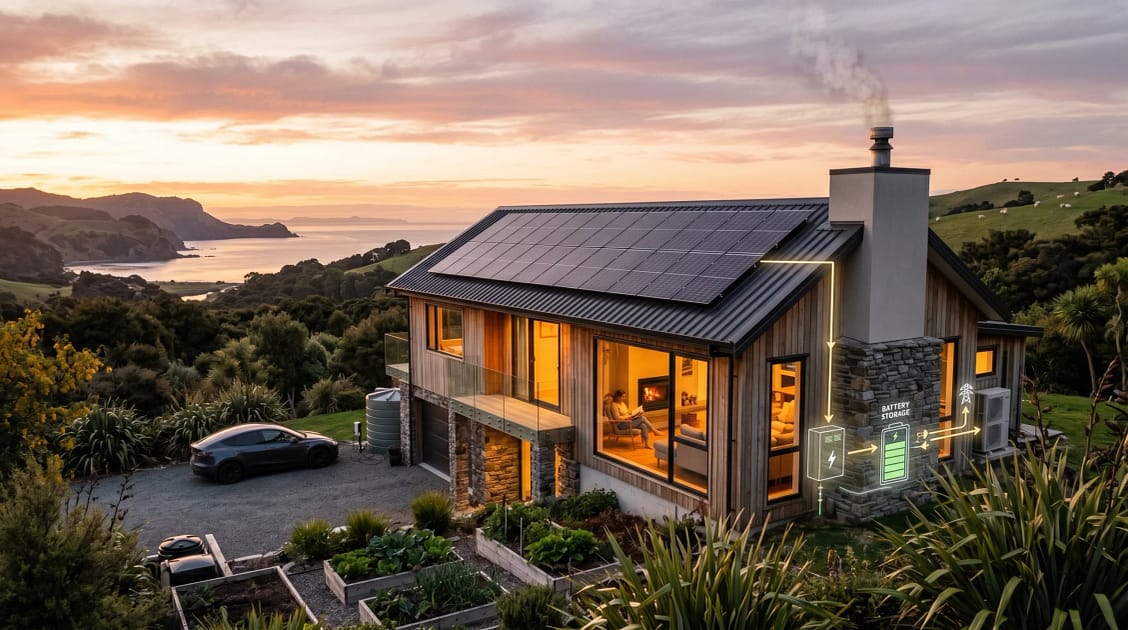
Home energy storage is a system that stores electricity (usually from solar panels) in a battery so you can use it later. In New Zealand, it can reduce power bills, provide backup during outages, and increase energy independence. Whether it’s worth it depends on your energy usage, solar setup, property ownership, and electricity costs.
My home already runs on a bit of a hybrid energy rhythm. I’ve got solar panels handling hot water and power, a wetback wood fire stepping in during colder months, and any extra solar gets sent back to the grid.
But here’s the twist: I don’t actually own the home.
So while I’m generating clean energy, I’m also working within the limits of a rental. No battery bank, no major upgrades, and every improvement has to pass the “is this worth it if I can’t take it with me?” test.
That’s where home energy storage gets interesting… and complicated.
Short on time? Here’s the quick answer:
TL;DR from My Setup
- I use solar + a wetback fire + the grid
- I sell extra solar power back (for less than I buy it)
- A battery would help… but I don’t own the home
- So for now, I optimise what I already have
What Is Home Energy Storage?
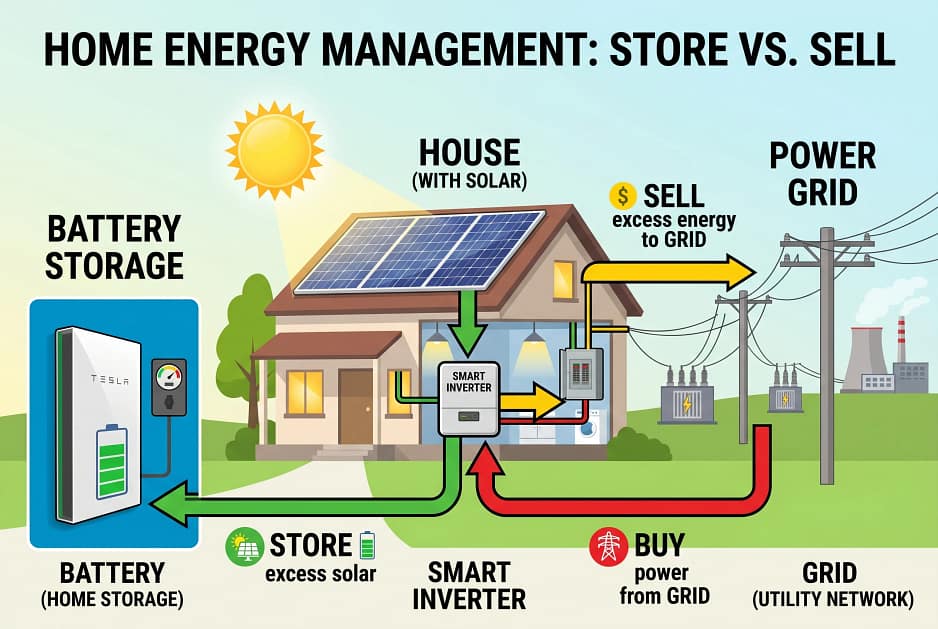
Home energy storage systems store electricity for later use, usually in a battery.
In my current setup:
- Solar panels generate energy during the day
- I use what I need
- Extra power gets exported to the grid
If I owned the home and added a battery:
- That excess would be stored instead
- I could use it at night
- I’d rely less on buying power back
Right now, it’s a bit like having a savings account… that automatically transfers your extra money to someone else.
Types of Home Energy Storage Systems
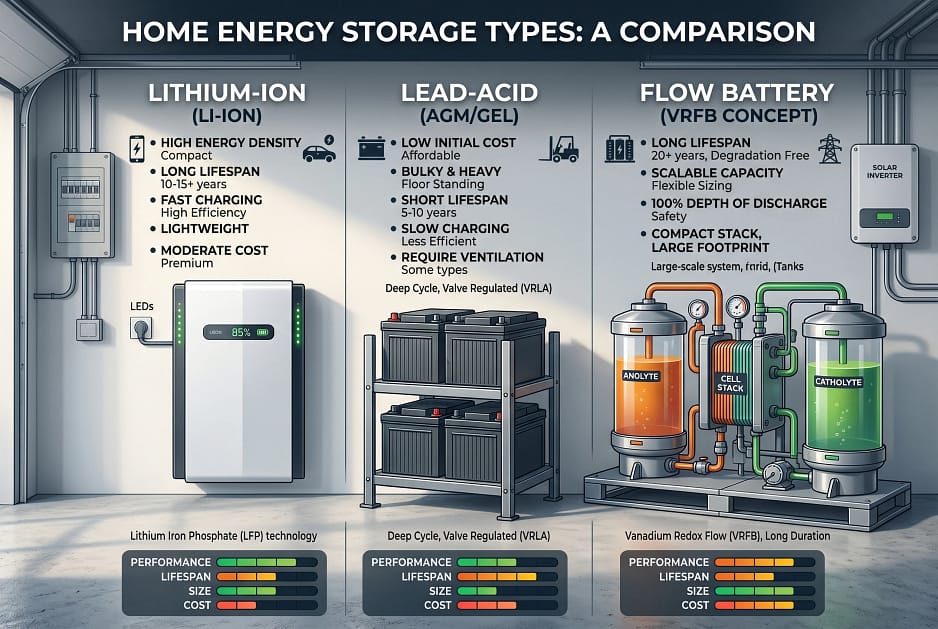
Lithium-Ion Batteries
The most realistic option for NZ homes, especially for solar setups like the one I’m using.
Lead-Acid Batteries
Lower upfront cost, but less appealing long-term.
Flow Batteries
Still emerging and not common for residential use here.
👉 Rental reality check:
Most of these require permanent installation, which makes them tricky (or impossible) in a rental unless the landlord is on board.
How Much Does Home Energy Storage Cost in NZ?
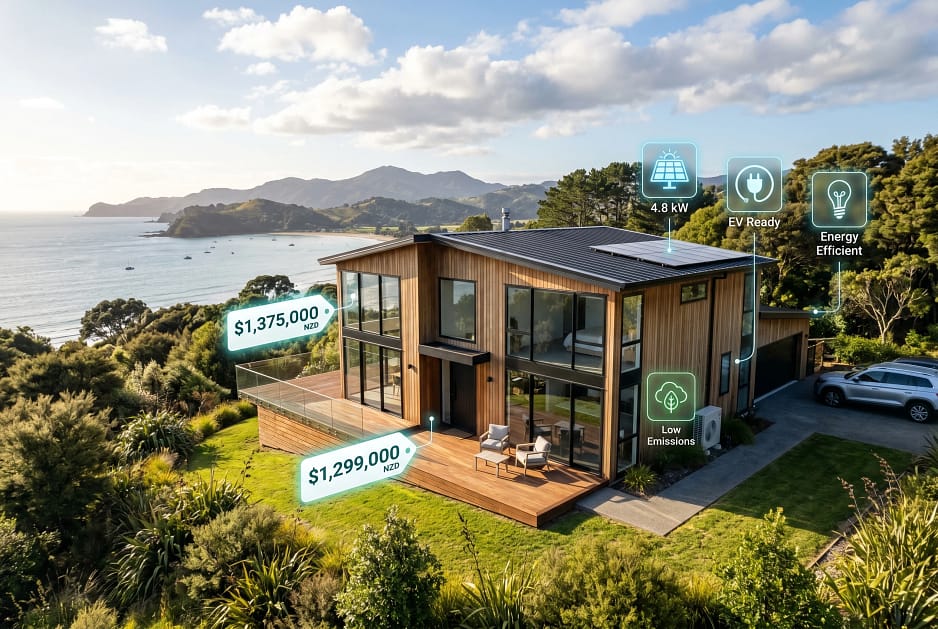
Typical cost:
- $8,000 – $18,000+ NZD installed
For me, this is where things hit a wall.
Even if the numbers made sense long-term, investing that much into a property I don’t own is like renovating someone else’s kitchen and handing over the keys.
Benefits of Home Energy Storage
Lower Power Bills
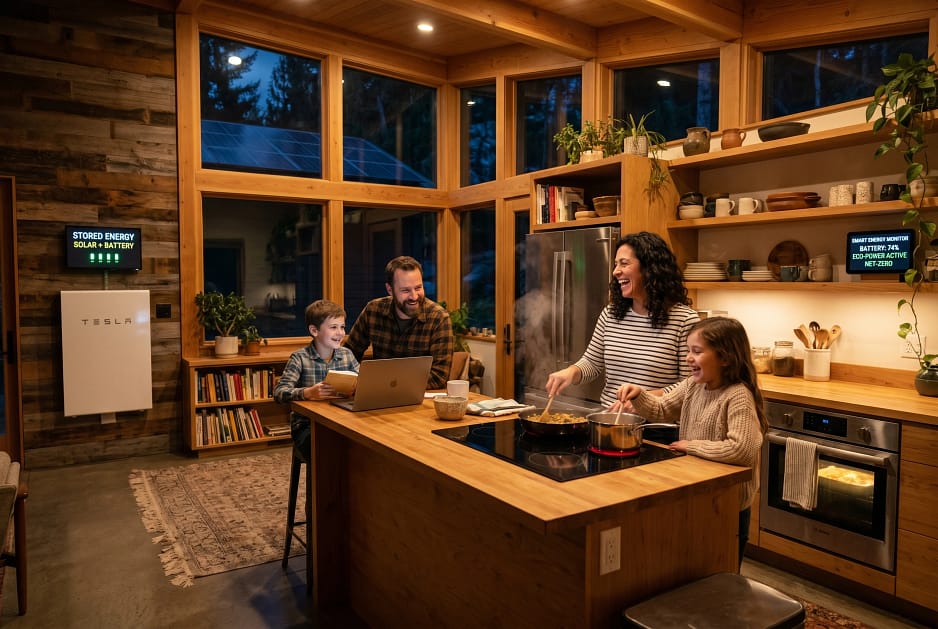
Right now, I sell excess solar cheap and buy power back later at a higher rate. A battery would smooth that out.
Backup Power
Between solar and my wetback fire, I’ve got partial resilience, but a battery would add proper electrical backup.
Better Use of What I Generate
Instead of exporting energy, I’d keep more of it in-house.
Greater Energy Independence
Less reliance on the grid, more control over how energy is used.
Downsides to Consider
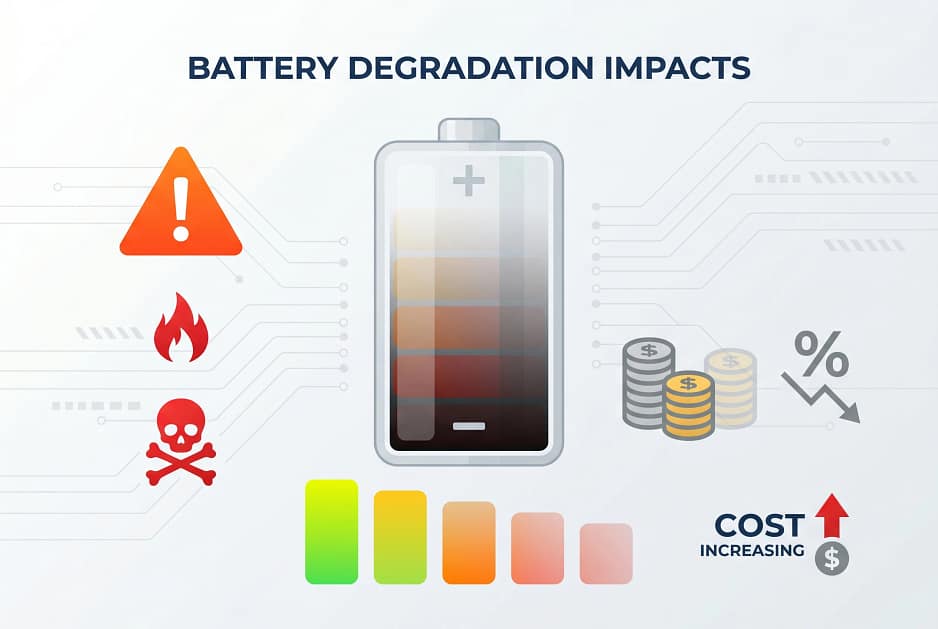
High Upfront Cost
Even more of a hurdle when you’re renting.
Not Portable (Usually)
Most systems are fixed installations, not something you can pack up and take with you.
Landlord Approval Needed
And realistically… not all landlords are keen.
Long Payback Period
Harder to justify when you don’t know how long you’ll stay.
Is It Worth It in New Zealand?

If you own your home:
It can absolutely be worth it, especially with solar already installed.
If you’re renting (like me):
It’s a very different story.
Here’s my honest take:
- My current setup already reduces costs
- I benefit from solar during the day
- Exporting energy still provides some return
However:
- I wouldn’t install a fixed battery system in a rental
- The investment doesn’t follow me if I move
So, for renters, the answer is usually:
👉 Not worth it… unless it’s portable or landlord-supported
Energy Storage vs Selling Back to the Grid

My current flow:
- Generate solar
- Use what I can
- Export the rest
The trade-off:
- Sell low
- Buy high
A battery would:
- Store excess
- Reduce grid reliance
- Improve overall efficiency
But again, ownership matters. Without it, that upgrade stays theoretical.
What Renters Can Do Instead
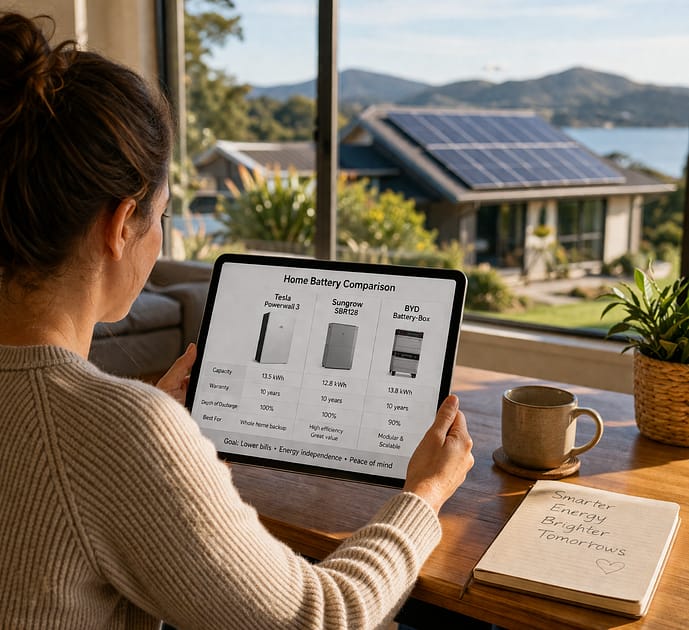
Even without a battery, I’m still making the system work:
- Using power-heavy appliances during the day
- Letting solar handle as much load as possible
- Using the wetback fire to reduce electricity use in winter
- Being mindful of when energy is used
If I wanted to go further, I’d look at:
- Portable power stations
- Smart plugs and energy monitoring
- Negotiating upgrades with a landlord
Future of Energy Storage in NZ

Energy setups like mine are becoming more common, even in rentals:
- Solar already installed
- Mixed energy sources (electric + wood + grid)
- Growing awareness of energy use
What’s missing is renter-friendly storage solutions.
Portable batteries and plug-and-play systems could be the real game-changer here.
Final Verdict
My home already runs like a small energy ecosystem:
- Sun during the day
- Fire in the colder months
- Grid as backup
A battery would tighten that loop beautifully.
But as a renter, I’m playing a different game. It’s less about building the perfect system and more about making the most of what’s already there.
So is home energy storage worth it in NZ?
- Homeowners: often yes
- Renters: not yet… but getting closer
If you’re thinking smaller-scale – camping, van life, or backup for a few essentials rather than the whole house – my portable power station calculator will help you work out the right size in a couple of minutes.
Frequently Asked Questions
What is home energy storage?
It stores electricity, often from solar panels, so you can use it later instead of relying on the grid.
Is home battery storage worth it in NZ?
For homeowners, often yes. For renters, it’s usually not practical unless portable options are used.
Can renters install home batteries?
Generally no, unless the landlord approves. Most systems are permanent installations.
What can renters do instead of installing a battery?
Use solar energy during the day, reduce peak usage, and consider portable energy storage options.
What happens to excess solar power in NZ?
It’s typically exported back to the grid at a lower rate than what you pay to buy electricity.