
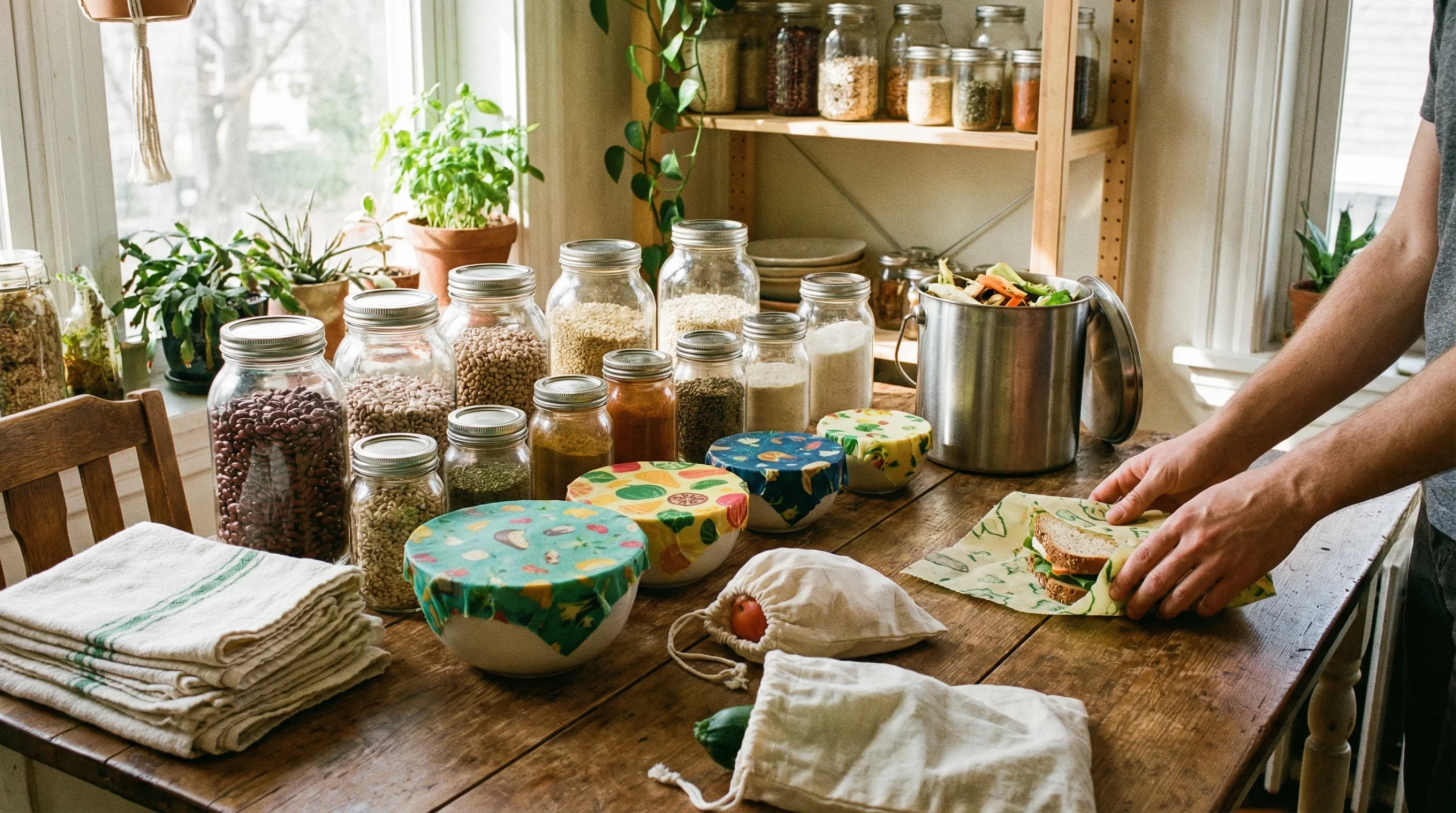
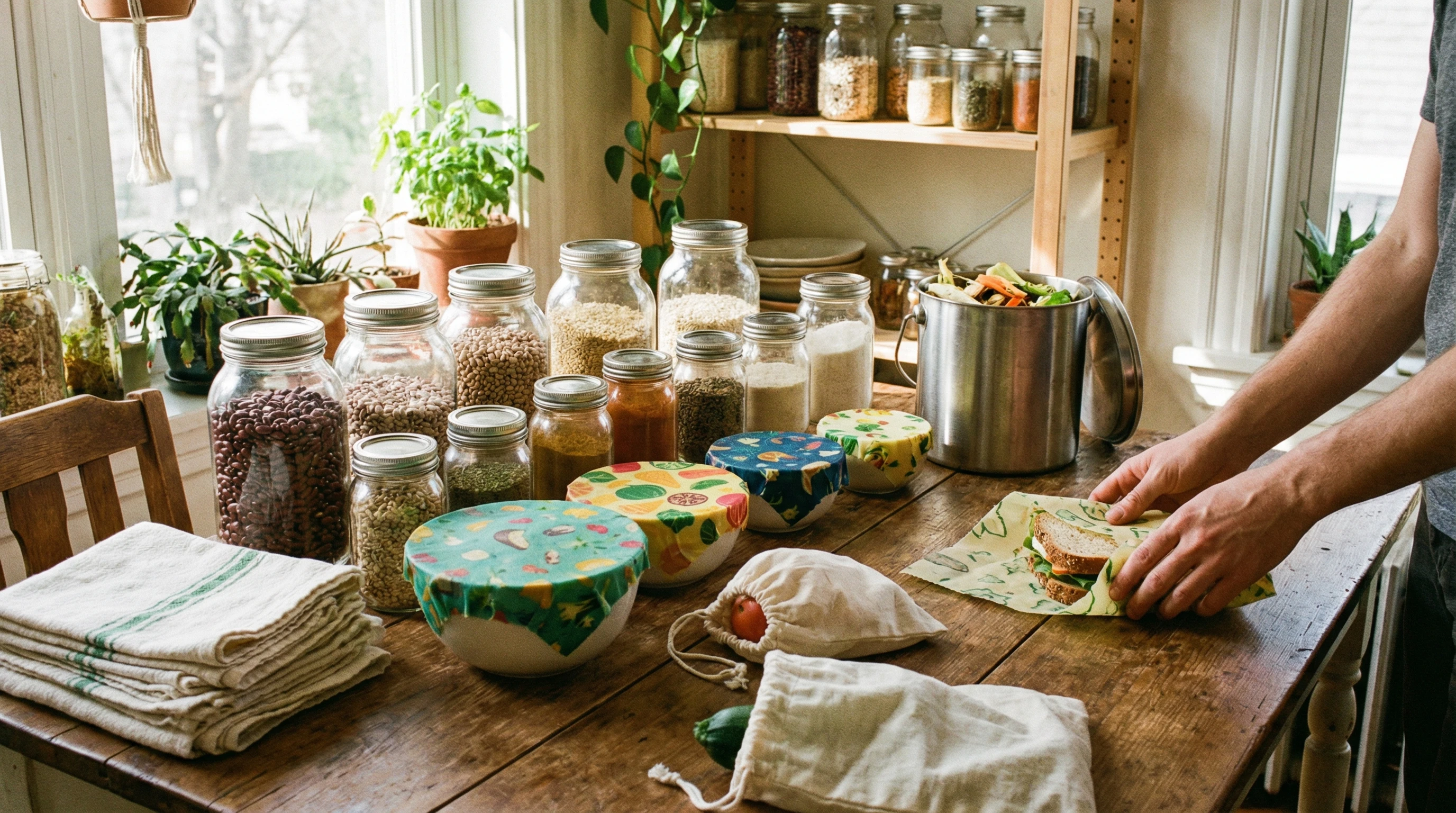
Many people want to reduce their waste at home but figuring out where to begin can feel overwhelming. Our daily habits are full of single use plastics, disposable packaging, and throwaway products that quickly add up in the trash.
If you’re searching for simple, practical changes, I’ve pulled together a list that has worked for me and plenty of others making the switch. These ideas are beginner friendly but come with enough context and tips that even seasoned eco folks might stumble upon something new to try. Here are 12 easy swaps that help make living waste free at home more doable, comfortable, and even rewarding.
1. Refillable Water Bottles over Single Use
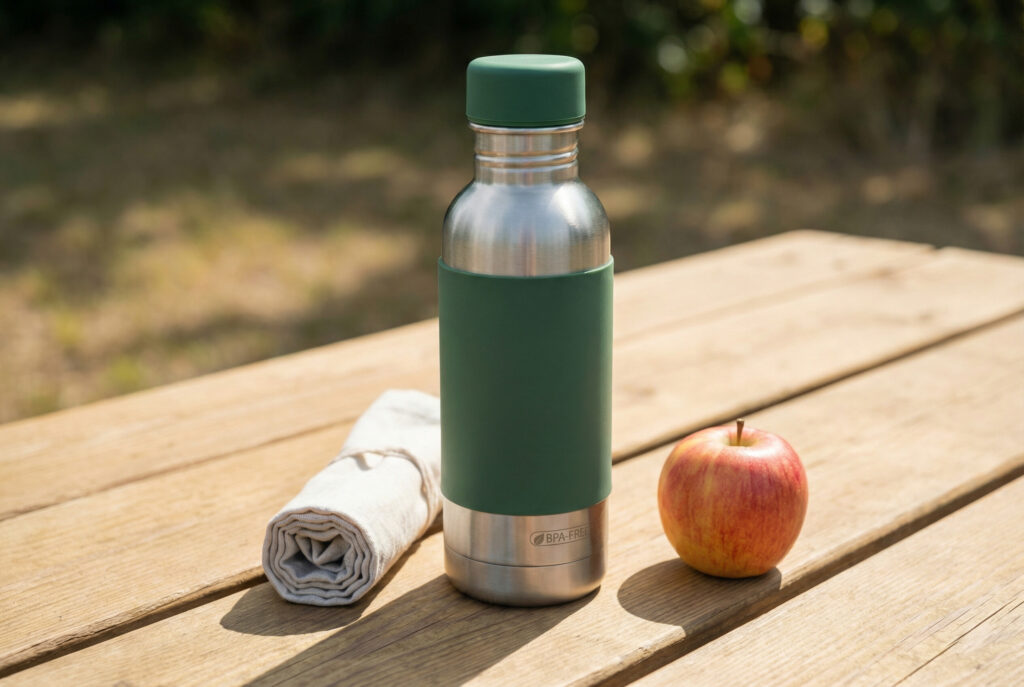
I started with this one because it felt like such an easy win. Choosing a stainless steel or glass water bottle means I never have to buy plastic bottled water again. If you keep one with you or at your desk, it becomes a habit not to reach for disposables. Many cafes and public places have water refill stations, so there’s always a way to fill up when you’re out and about.
2. Set Up an Indoor Compost Bin
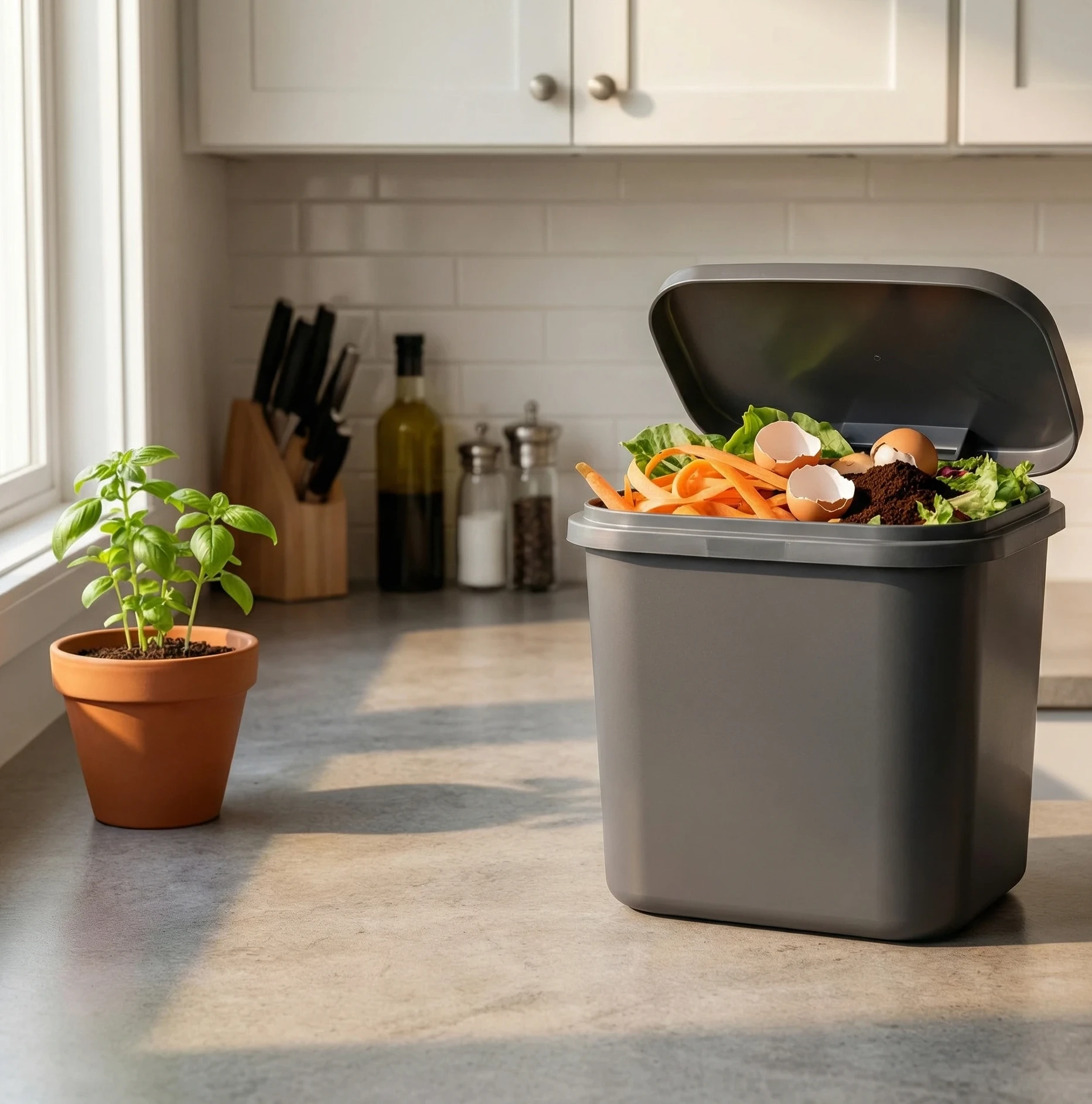
Once I set a small compost bin by my kitchen sink, I noticed just how much food waste never needed to hit the trash. Compost options – like electric, Bokashi, or traditional bins – work well in any space and comfort level. Compost lets you put fruit peels, veggie scraps, and coffee grounds to work as soil nourishment instead of sending them to landfill where they break down slowly.
3. Swap Plastic Wrap for Beeswax or Vegan Wraps
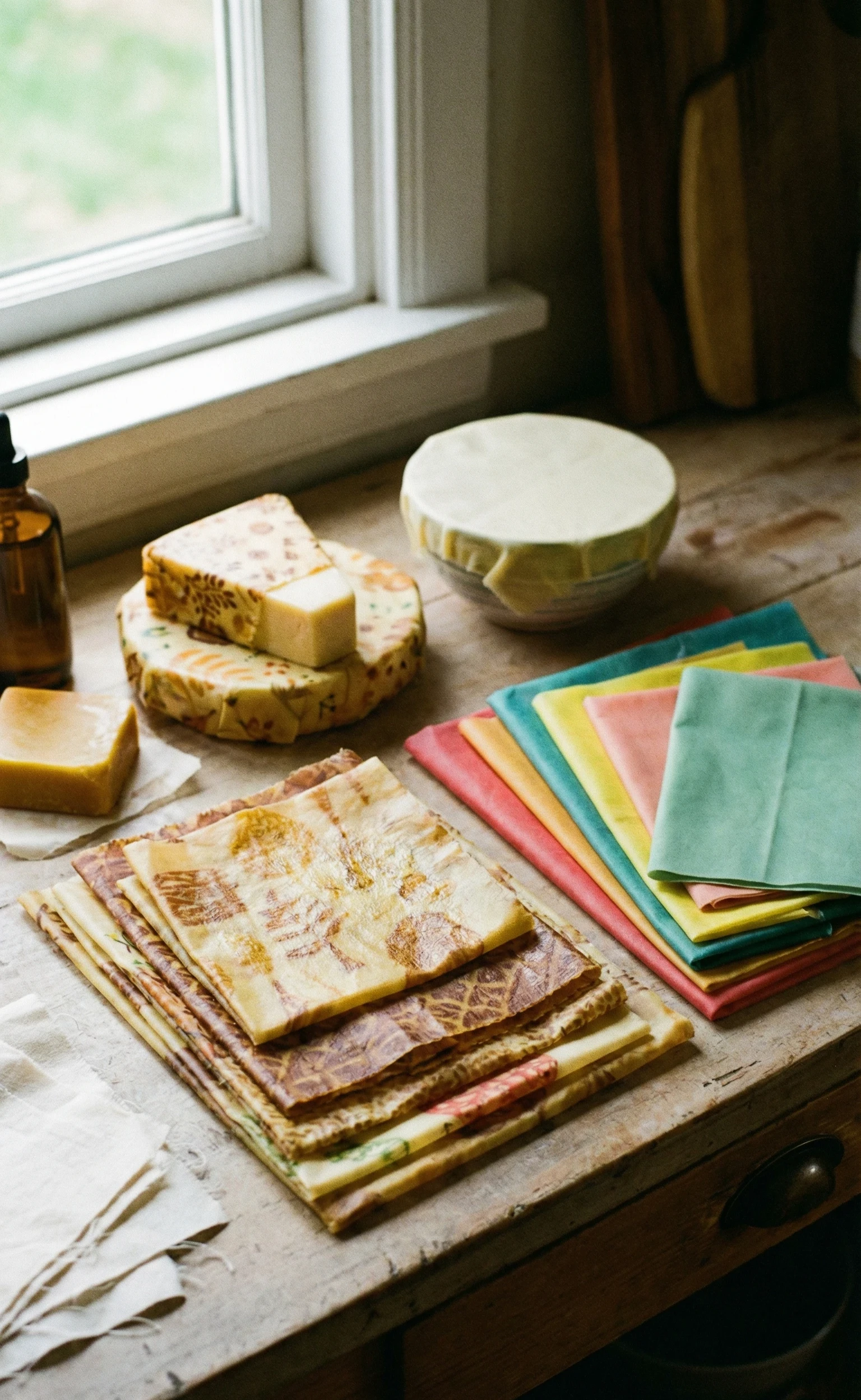
Plastic wrap used to be my go-to for leftovers, but those rolls run out fast and end up as landfill. Beeswax and vegan wax wraps are washable and reusable, so you can use them on sandwiches, produce, or to cover bowls. They last a year with just a rinse and do a better job keeping foods fresh.
4. Cloth Napkins and Towels Replace Disposables
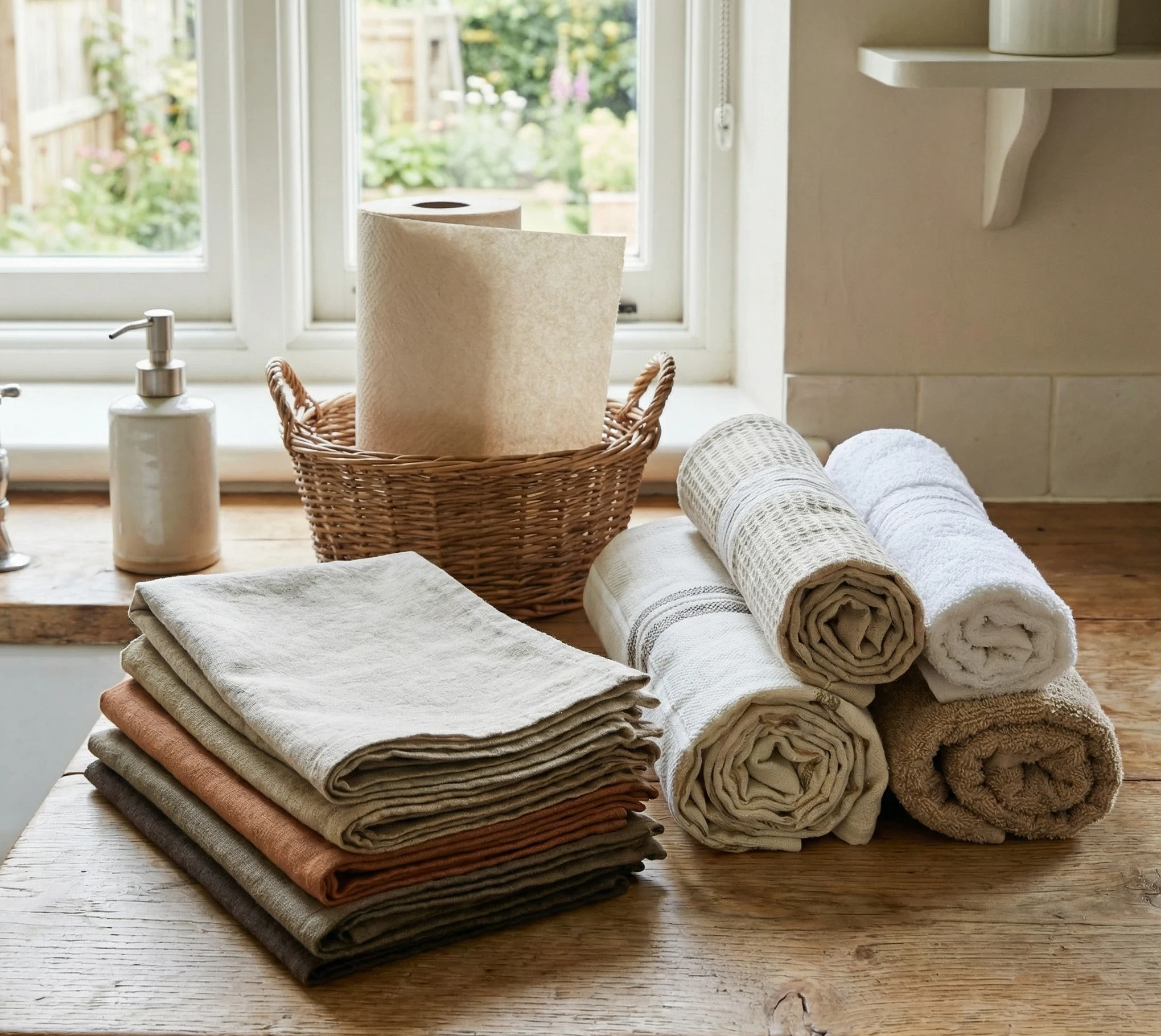
When I switched from paper towels to washable cloths and napkins, it was mostly about comfort and practicality. I keep a small basket of rags under the sink and toss used ones in the wash. Besides reducing waste, this gave my kitchen a cleaner, more homely feel and saved money on buying endless rolls of paper.
5. Buy Soap and Household Products in Bulk
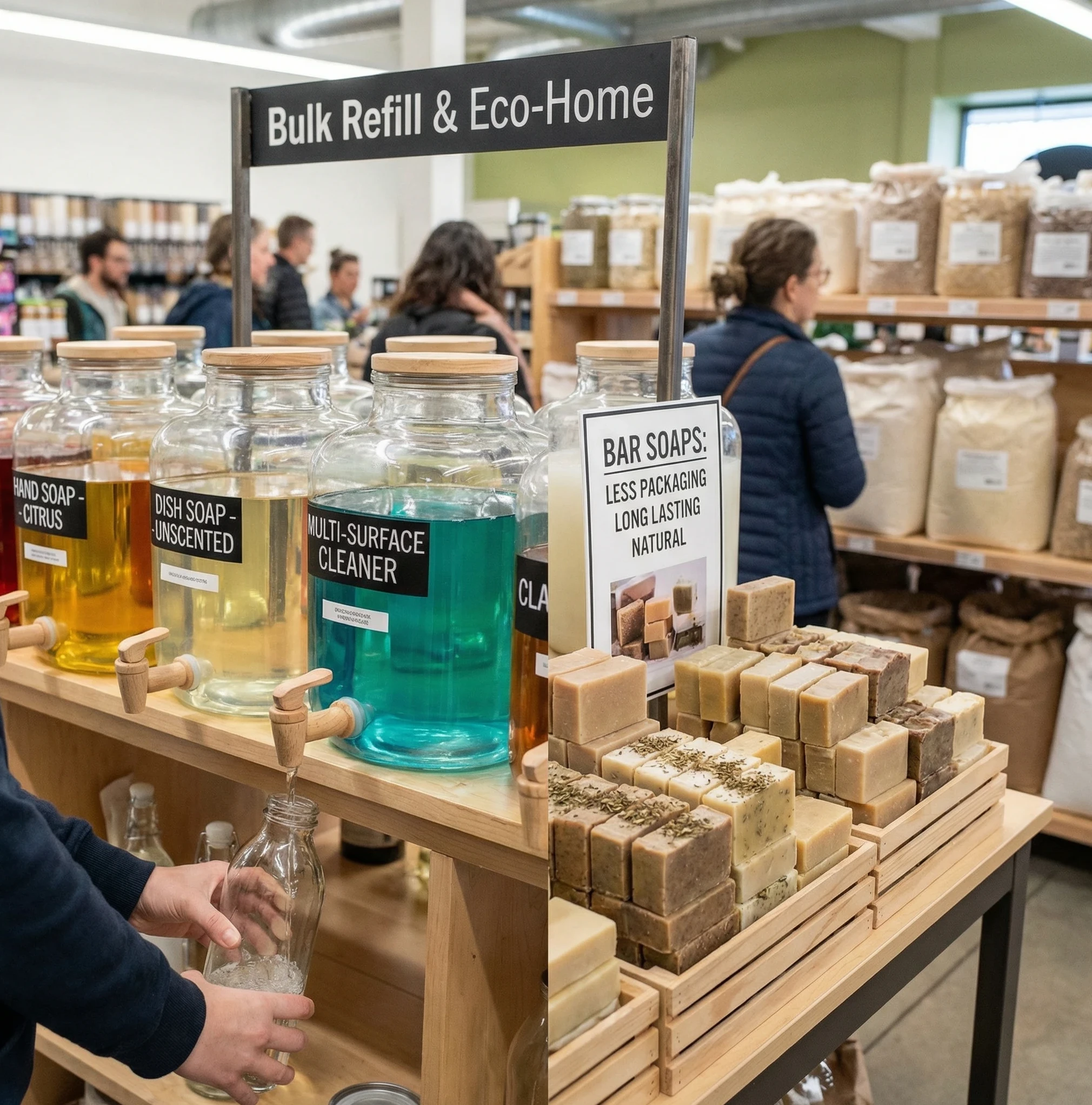
Many stores now offer refill stations for hand soap, dish soap, and other cleaners. Refilling from bulk skips loads of packaging over time. Bar soaps are another way to skip waste for hand and body washing. Bars come with less packaging, last a long time, and often feature all-natural ingredients.
6. Reusable Produce Bags Instead of Plastic
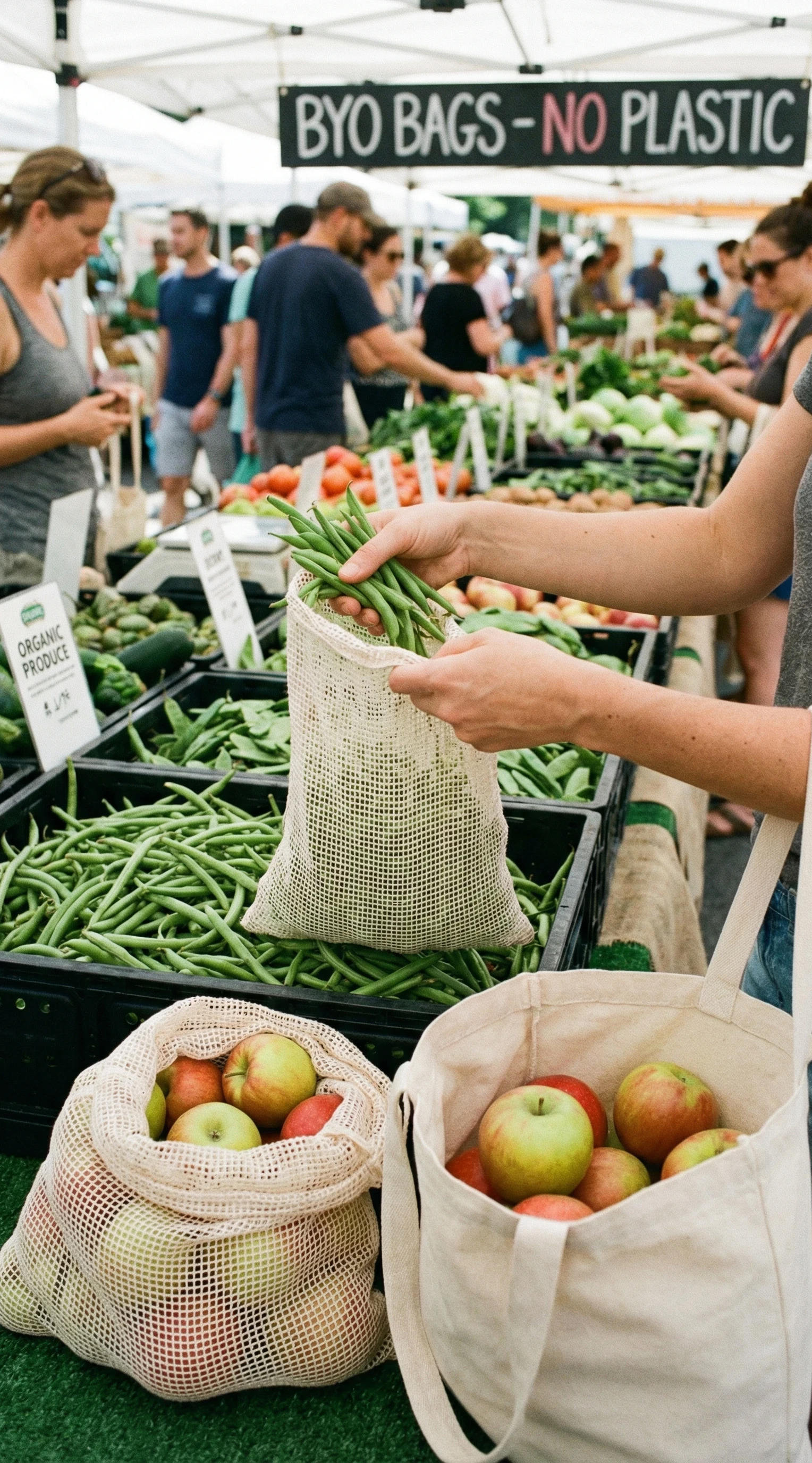
Before making this change, I would come home from shopping with a pile of those thin plastic veggie bags. Now, mesh or cotton produce bags go with me every time. They’re easy to wash and last for years. I also store bulk pantry items in these, adding extra convenience.
7. Laundry Detergent Sheets Instead of Bottles
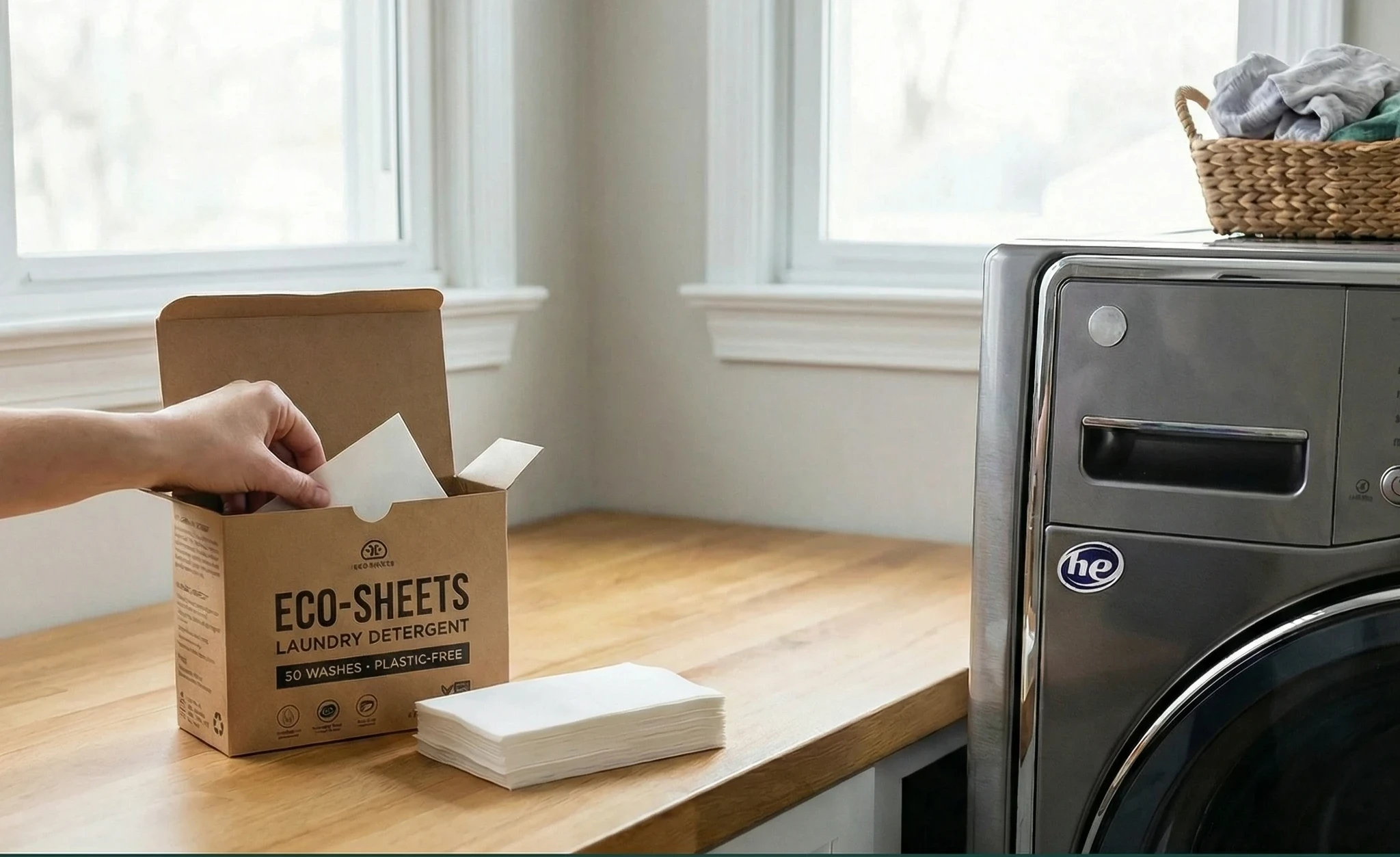
My laundry routine changed for the better when I moved to detergent sheets or powder in cardboard boxes. That switch means I no longer need bulky plastic jugs or messy liquid refills. Most sheets dissolve fast and are good for all washers, including HE machines.
8. Insulated Coffee Cups and Travel Mugs
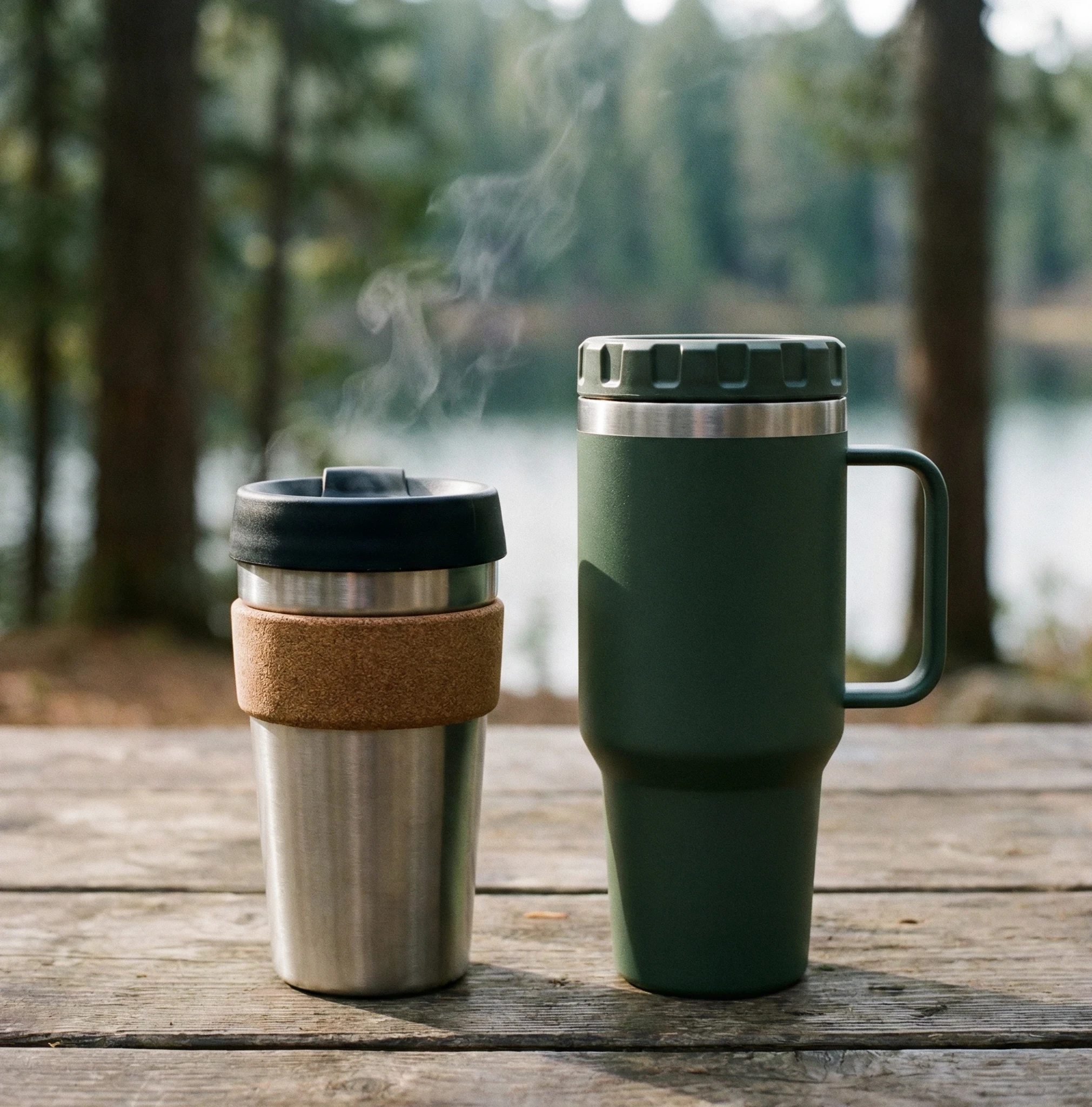
Coffee and tea on the go used to mean disposable cups that can’t always be recycled or composted. I use a leakproof, insulated mug that keeps drinks warm or cold for hours. Many cafés offer discounts for bringing your own cup, and I find having one handy makes it easy to say no to disposables out of habit.
9. Switch to a Reusable Safety Razor

Disposable razors are made with mixed materials that are rarely recycled. A metal safety razor is built to last for years, and the only waste is the thin blades that are recyclable in many places. My skin feels smoother, and I save money by not always buying plastic razors.
10. Use Silicone Food Storage Bags

Instead of boxes of disposable zip bags, I now keep a drawer with different size silicone food bags. They’re dishwasher safe, don’t stain or hold smells, and are perfect for everything from freezing leftovers to snacking on the go. After a while, I realized I didn’t even miss the disposable kind anymore.
11. Try a Bamboo Toothbrush
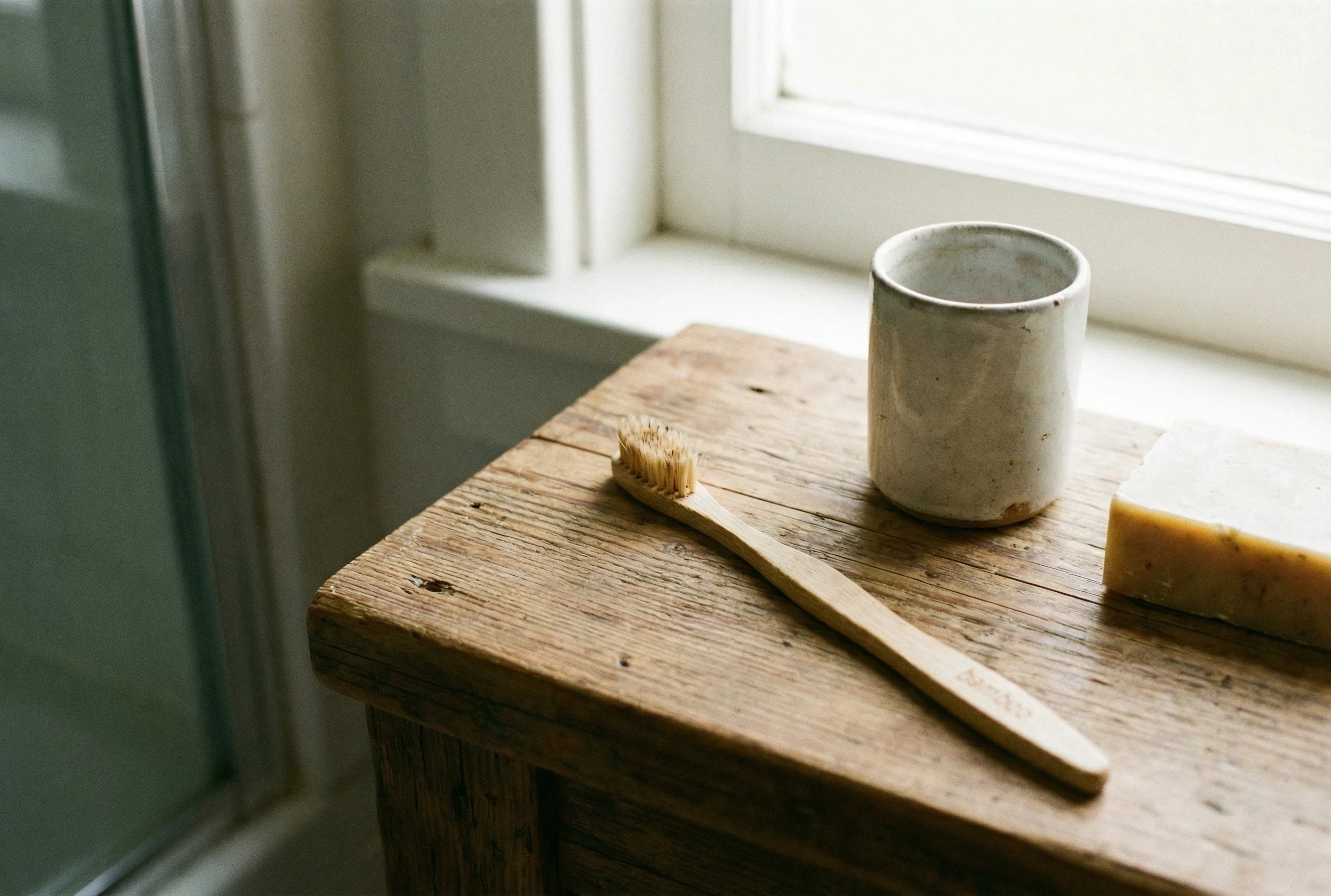
This small switch made one part of my bathroom cabinet much more ecofriendly. Plastic toothbrushes never break down, but bamboo handles do. Paired with refillable fluoride tablets, this swap is a step toward a waste free daily routine, and bamboo brushes feel just as comfortable as the plastic kind.
12. Rechargeable Batteries for Everyday Convenience
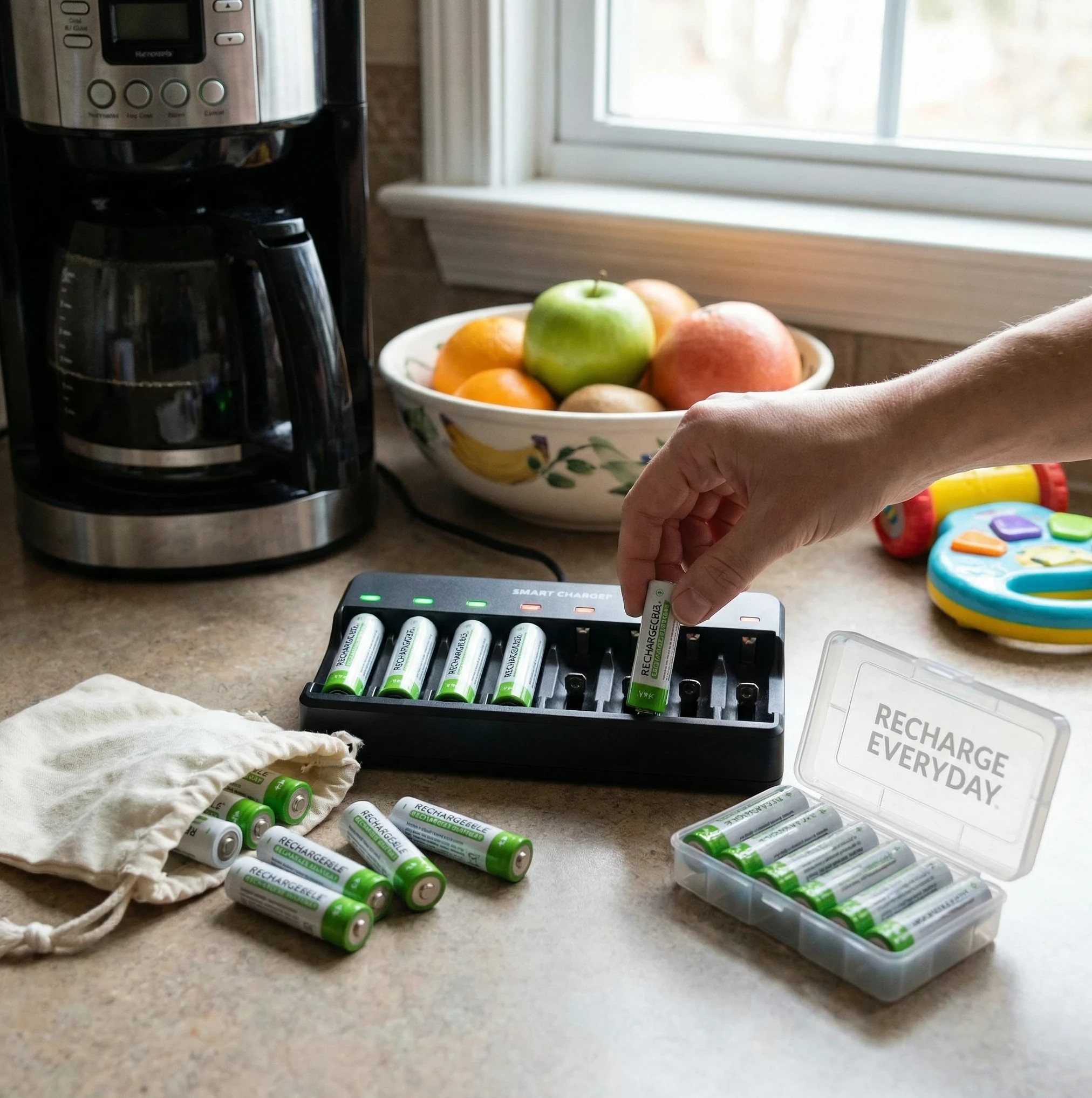
I used to buy regular batteries for remotes and flashlights, which filled up my bin every few months. By moving to rechargeable batteries and a plug-in charger, there’s a lot less battery waste and fewer trips to the store. Most rechargeable batteries now hold a charge well and last for years, making this an eco and wallet friendly upgrade.
Getting Started: Tips for a Waste Free Home
Adopting these swaps has been a matter of changing habits over time, not flipping my world overnight. I didn’t make every change in a week. By picking one or two swaps – like starting with a refillable bottle or compost bin – I found it easier to keep up momentum and spot additional places to trim my trash footprint.
Small changes really add up. Over a year, even subtle shifts can keep hundreds of single use items out of landfills and make home life feel cleaner, simpler, and more intentional. If you’re dreaming of a more waste free lifestyle, go for progress, not perfection.
Which waste free swap do you think will be the easiest to start with? Want extra tips, product reviews, or step-by-step guides? I’m always open to ideas and feedback!
Bonus Tip: Waste Free Habits Beyond the Kitchen
It’s not just the kitchen where waste piles up. In the bathroom, swap out disposable makeup wipes for washable rounds or use homemade scrubs in refillable jars. In the closet, try shopping second hand or join clothing swaps to reduce textile waste. Even small upgrades, like using cloth gift wrap or digital greeting cards, keep your waste lower during holidays and special occasions. With time, you’ll stumble upon new habits that fit your home and values.
Brought to you by Eco TIGA – Your Friendly Guide to Eco-Friendly Living
“Love this guide! It’s amazing how many simple swaps can make such a big impact over time. I especially appreciate how practical and beginner-friendly your suggestions are—things like reusable produce bags, silicone food storage, and bamboo toothbrushes feel doable without completely overhauling daily life. I also like how you emphasize progress over perfection; sometimes it’s easy to get overwhelmed trying to do everything at once. The bonus tips beyond the kitchen are great, too—bathroom and wardrobe swaps are often overlooked but make a difference. I’m definitely inspired to start with a refillable water bottle and indoor compost bin, then work my way through the rest. Thanks for making living waste-free feel accessible and motivating!”
Thank you so much for this thoughtful comment!
I’m really glad the swaps felt practical and approachable. The “progress over perfection” mindset is exactly what I hoped would come through. Starting with a refillable water bottle and an indoor compost bin is a brilliant combo, those two alone make a real difference over time. Thanks for taking the time to share what resonated with you, and happy swapping as you go at your own pace 🙂