


Many people want to reduce waste, but not everyone wants to overhaul their lifestyle to do it.
The most common starting point isn’t a zero-waste kitchen or a complete routine reset. It’s usually one small, practical swap that fits naturally into everyday life.
For a growing number of people, that first step is a reusable water bottle.
Not because it’s trendy or promoted everywhere, but because it solves a real problem quietly. It reduces plastic waste, saves money, and encourages better hydration without demanding extra effort. Once it becomes part of a daily routine, the impact adds up faster than most people expect.
Why Reusable Water Bottles Keep Showing Up in Everyday Routines
Reusable water bottles have become one of the most widely adopted eco swaps for reasons that go beyond environmental awareness.
- Plastic reduction at scale
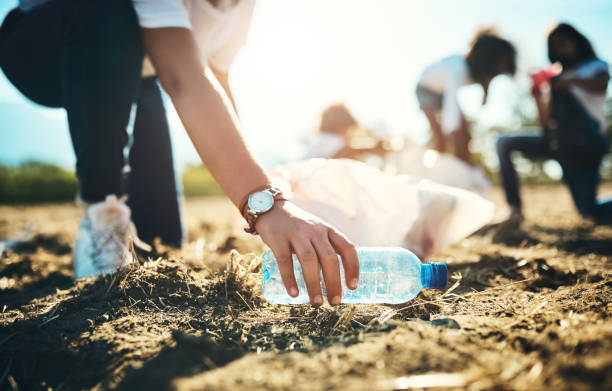
Globally, over one million plastic bottles are purchased every minute. Many are used once and discarded. Studies consistently show that a single reusable bottle can replace hundreds of disposable bottles each year, significantly reducing household plastic waste. - Low-friction habit change
Behaviour research shows people stick to changes that improve convenience rather than restrict it. A reusable bottle doesn’t require new skills or sacrifices. You fill it, carry it, and reuse it. That simplicity is why the habit sticks. - Cost awareness without sacrifice
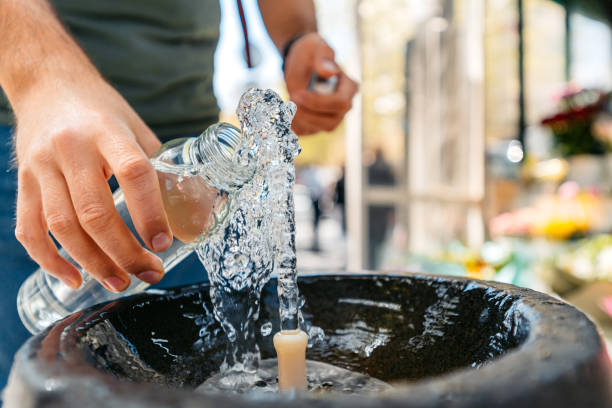
Buying bottled water regularly is one of those expenses that hides in plain sight. Over time, the savings from refilling at home, work, or public refill stations are noticeable, especially as refill infrastructure becomes more common. - Better hydration by default
People tend to drink more water when it’s already within reach. Keeping a bottle nearby encourages regular sipping, which supports energy, focus, and overall wellbeing.
This combination of environmental benefit and personal convenience explains why reusable bottles are often the first eco swap people adopt and the one they actually keep using.
How One Simple Swap Leads to Bigger Changes
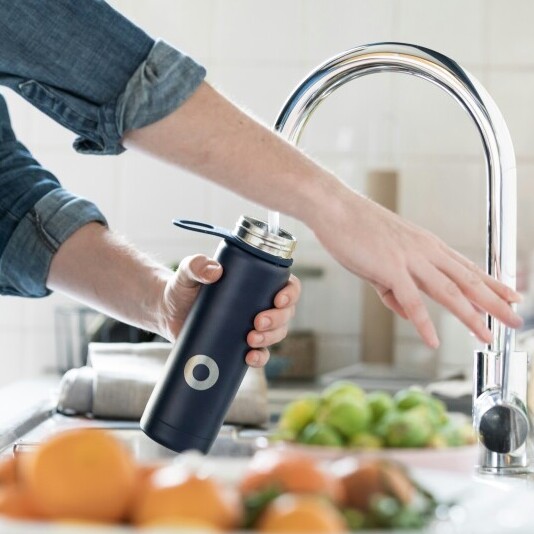
What surprises many people is how a single reusable item can shift awareness.
Using a reusable bottle often leads to noticing other waste patterns. Disposable cups. Plastic snack packaging. Grocery bags. Not out of guilt, but out of familiarity. Once one reusable habit sticks, others feel more achievable.
This mirrors what we see across sustainability studies. Small, visible actions increase long-term engagement more effectively than large, overwhelming goals.
If you’re exploring other low effort eco habits, EcoTIGA has a helpful guide on
👉 simple everyday swaps that reduce waste without complicating life
What People Look for When Choosing a Reusable Bottle
Most people don’t choose a bottle based on branding alone. They look for features that fit their routine.
- Safe, durable materials
Stainless steel and glass are popular for their durability and lack of chemical leaching. BPA-free plastics are also common for lightweight needs. - Temperature control
Double-walled insulation helps keep drinks cold or hot for hours, which increases reuse consistency. - Leak resistance
A secure lid matters more than aesthetics, especially for work bags and travel. - Ease of cleaning
Wide-mouth designs and dishwasher-safe options remove friction from daily use. - Lifestyle fit
Size, shape, and portability determine whether a bottle becomes a habit or sits unused.
Rather than searching for the “best” bottle universally, people succeed when they choose the one that fits how they already live.
Why Reusable Bottles Often Become a Gateway Habit
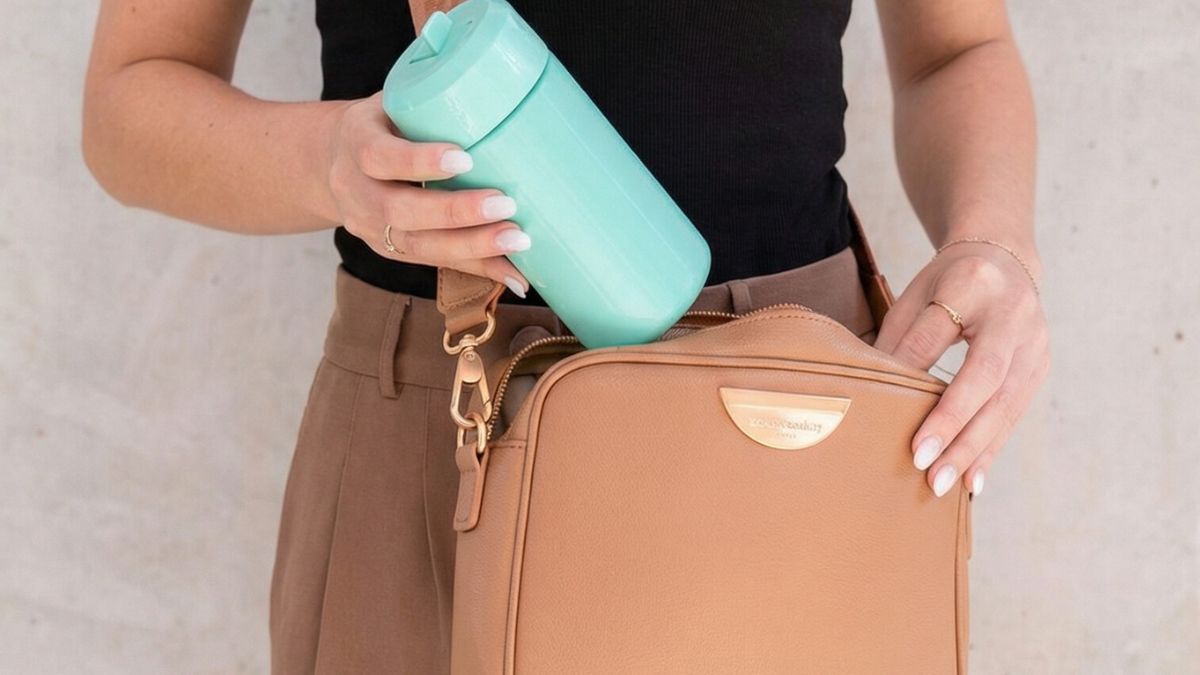
The reason reusable bottles work so well isn’t environmental guilt. It’s feedback.
- You see less trash.
- You refill instead of rebuying.
- You feel the benefit daily.
That feedback loop reinforces the habit and makes future eco-friendly choices feel easier, not heavier. It also opens up conversations with others, which spreads adoption organically.
If you’re curious how these habits compound over time, EcoTIGA explores this further in its
👉 plastic reduction and waste awareness guides
You don’t need to change everything to start reducing waste. Most people don’t. They start with one object they already use every day and make it reusable.
For example, some reusable water bottles as seen on SmartySIP are designed to make this swap effortless…
If you’re exploring that step, choose a bottle that fits your routine, not someone else’s ideal. Over time, those small decisions shape habits, budgets, and environmental impact more than any single purchase ever could.
Frequently Asked Questions
Why are reusable water bottles one of the first eco swaps people make?
They’re easy to integrate into daily routines, reduce hundreds of single-use plastic bottles annually, and encourage healthier hydration habits without major lifestyle changes.
Do reusable water bottles really help the environment?
Yes. By replacing disposable plastic bottles, they reduce plastic pollution, lower your plastic footprint, and conserve natural resources.
What should I look for in a reusable water bottle?
Safe materials (stainless steel, glass, BPA-free plastics), leakproof lids, temperature control if desired, ease of cleaning, and a size/shape that fits your lifestyle.
Can reusable bottles improve hydration?
Yes. People tend to drink more water when a bottle is always within reach, which supports energy, focus, and overall wellbeing.
How can I make this swap stick?
Start with a bottle that fits your routine, place it where you’ll see and use it daily, and combine it with other small eco swaps like reusable bags or containers.