


Journaling has always felt like a calming, personal way to sort out my thoughts. It turns out that journaling can also be really eco-friendly. With a few small tweaks, my everyday writing habit became part of my own way of living a bit lighter on the planet. If you’re looking for simple, eco-friendly journaling ideas, there are lots of ways to start making your pages support a more sustainable lifestyle.
Why Journaling for Sustainability Matters
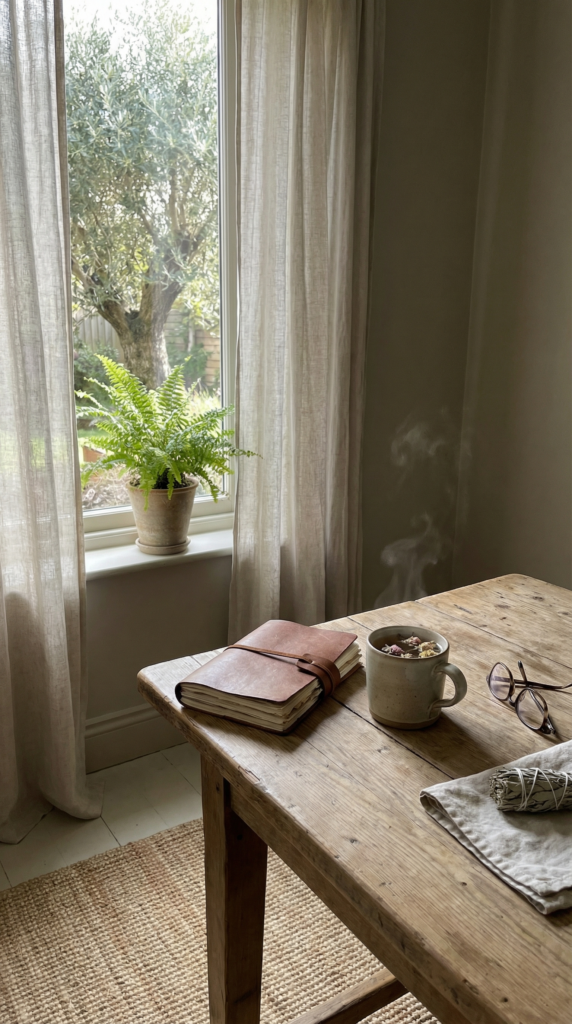
Writing things down has always helped me pay closer attention to the habits I want to build. Eco-friendly journaling takes this a step further because it encourages mindfulness with every pen stroke. Awareness is a starting place for lasting change, especially when it comes to how I treat the environment each day. It’s not just about big gestures; small reflections often add up to real impact over time.
By tracking my choices and thinking critically about what I use, buy, and toss, I started to see where I slip up and where I’ve actually made progress. Even quick notes about turning off the lights or remembering my reusable bag have helped reinforce more eco-conscious actions. Over time, these quick entries start matching up my daily decisions with bigger environmental values, and it’s this consistency that builds real habits.
Getting Started with Eco-Friendly Journaling
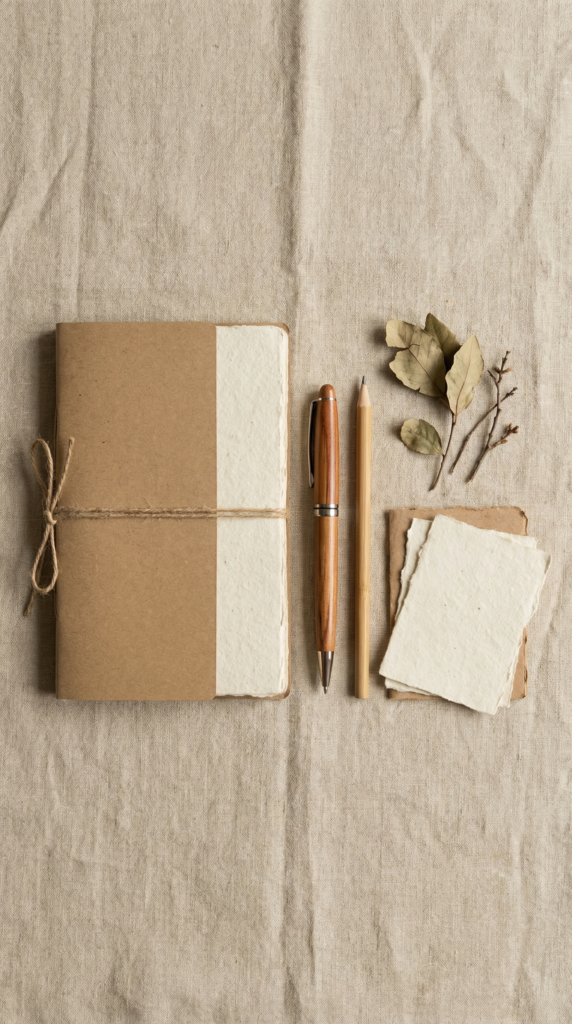
There’s no need to splurge on a fancy journal to get started. My favourite way is using what I already have in the house, like half-used notebooks, random sheets of paper, and even the backs of junk mail envelopes. Choosing a journal made from recycled or tree free paper is another solid option. Some people love digital journaling since it cuts out paper waste entirely, but there’s also something really grounding about writing by hand. Both have pros and cons for the environment.
- Paper Journaling: Look for recycled, FSC certified, or bamboo paper journals. Or repurpose old planners, sketchbooks, or printouts.
- Digital Journaling: Use apps with cloud backup. The environmental impact is usually smaller per use, though it does depend on the device and its energy source.
- DIY Options: Staple together old pages, use binder clips, or even sew your own little booklet from scrap paper. It’s a fun project and uses up leftovers.
When selecting materials, check labels for sustainability certifications or opt for brands that are transparent about their sourcing. If you have extra fabric lying around, you can even create your own journal covers to make your work feel extra personal and keep things protected. For pens and markers, search for refillable ones or those made from recycled plastic rather than disposable versions, because these little swaps add up through the year.
Eco-Friendly Journaling Ideas for Daily Sustainable Living
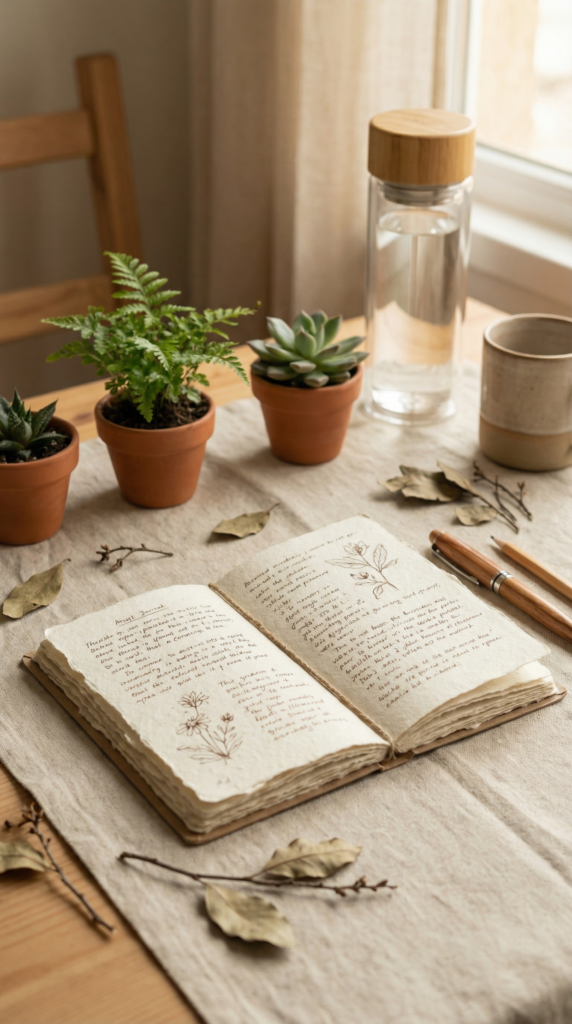
Journaling is really powerful when it becomes part of your routine. There are all kinds of small prompts and lists that help keep sustainability at the top of my mind:
- Track your eco-friendly routines. Did you remember your water bottle or to walk instead of driving today? Even a simple checkmark motivates me to keep going.
- Record daily “green wins.” Jotting down any tiny step that lowered your personal impact feels rewarding.
- Energy, water, and waste awareness. A couple of lines on how long your shower was, or how much trash you generated at lunch. Over time, these numbers are really eye-opening.
You might print or draw up a grid for the week and use it to track repeating habits, so you have a visual record of progress at a glance. Another option is creating a monthly theme around one change you want to make (like reducing single-use plastics) and jotting down your experience, barriers you faced, and creative solutions you stumbled upon along the way.
Sustainability Journaling Prompts for Mindful Habits
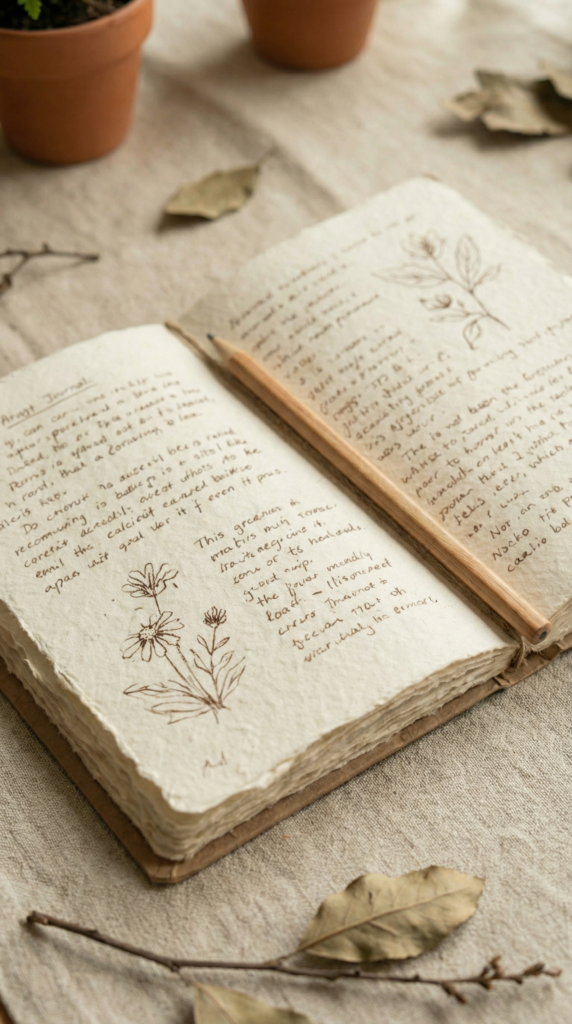
Some days I draw a blank, so simple prompts help get the pen moving. Here are a few ideas to start with:
- What did I reuse today instead of buying new?
- Describe a habit I did (or didn’t do) that supports the planet.
- How much waste did I make this week? How can I reduce it?
- Before making a purchase today, what questions did I ask myself?
Weekly reflections on consumption (like how many takeout containers I brought home) started giving me actual numbers to work with. Writing before buying also slowed my impulse spending because it made me think twice about my choices. When I look back through these entries, I spot patterns – like when I tend to splurge or how certain routines make living sustainably easier or harder.
Gratitude Journaling Ideas Inspired by Nature

Writing down what I appreciate about the natural world helps me reconnect with my own reasons to live more sustainably. Paying attention to the changing seasons, the weather, or even just a plant in my window makes the idea of protecting nature feel a lot more personal.
- Seasonal gratitude prompts: Three things from nature I noticed today.
- Noticing small joys: What naturally beautiful thing made me smile?
- Write about your favourite outdoor place. Describe it and why you want to see it stay healthy.
Getting outside and journaling in a park, or just sitting on my porch, often brings these entries to life. If possible, try collecting leaves, petals, or little tokens while you write outdoors – just make sure you’re picking items that have already fallen or are plentiful, so you aren’t harming local habitats.
Low Waste Journaling Ideas to Reduce Everyday Impact
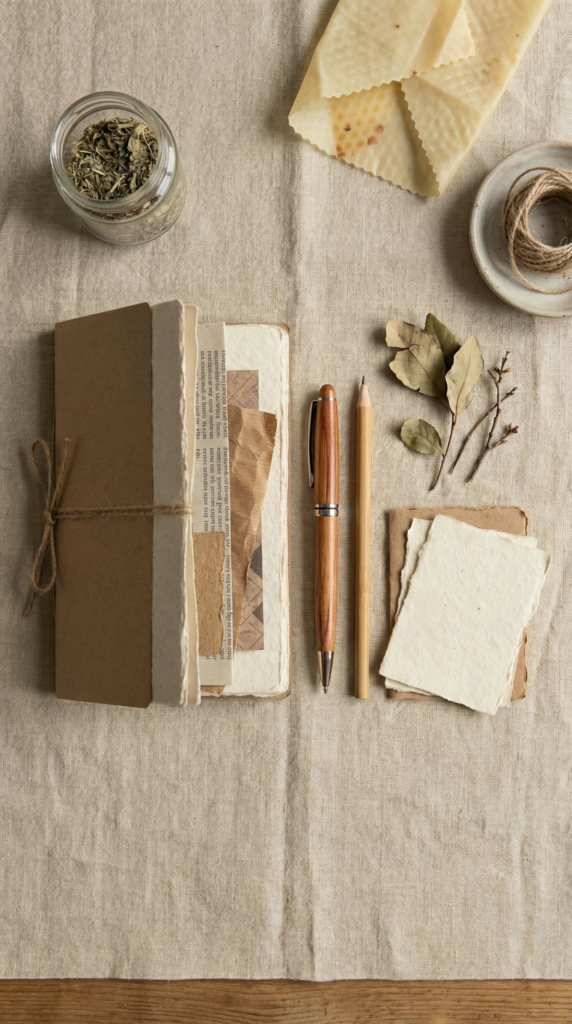
One habit that surprised me was tracking my actual waste and packaging throughout the week. It was super useful for showing patterns, like which foods I buy that come with the most unnecessary packaging. I also started reflecting more on what I could repair, reuse, or repurpose rather than tossing.
- Try a waste audit: List everything you throw out for a few days. Any surprises?
- Repair and reuse log: Did you fix something today? How does it feel to save it from the landfill?
- Decluttering notes: Before donating or upcycling, I’ll write about why I don’t need the item anymore and how someone else could benefit.
Creating a monthly waste snapshot (for example, a tally of plastics, paper, and compost) can help you set realistic goals. Over months, you’ll spot where you can cut down, reuse, or swap current products for more sustainable ones, making continual improvements part of your lifestyle.
Journaling for Mindful Consumption and Ethical Buying

Shopping with intention gets a lot easier when I include a quick “before you buy” checklist in my journal. It has really changed the way I spend my money. I track which purchases were made on impulse versus which were thought out in advance, and it’s pretty surprising to see the patterns over time.
- Purchase prompts: Do I really need this? Is there a secondhand option?
- Track spending: Note every item bought in a week, and highlight which ones match up with your sustainability values.
- Reflect: If you regret a purchase, write about what you might do differently next time.
Having a budget log in your eco journal adds another level of accountability and helps you see at a glance where your cash is going, and whether it’s supporting your values.
Using Journaling to Set Sustainable Lifestyle Goals
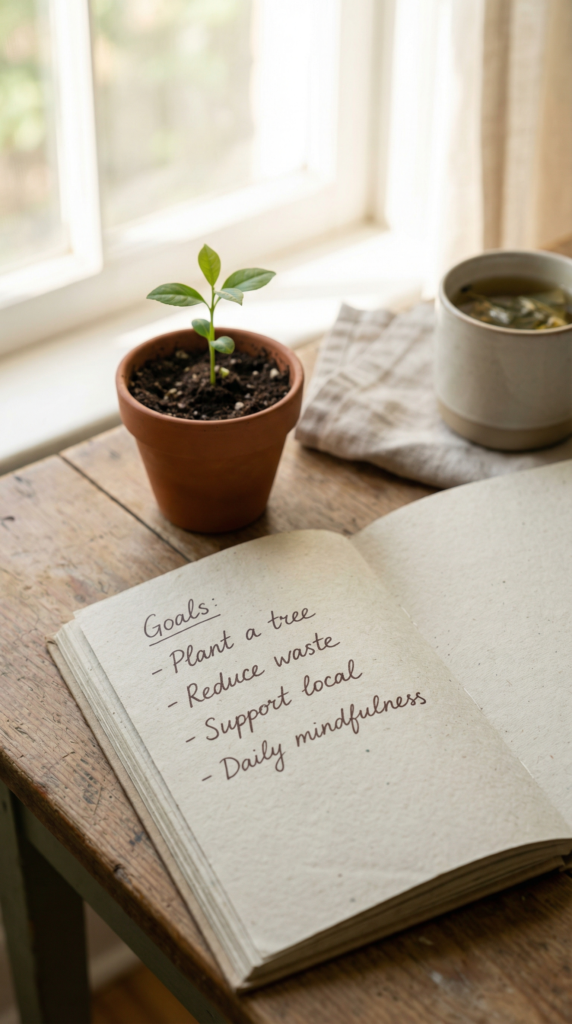
Goal setting doesn’t have to be overwhelming. I keep my eco goals realistic and small enough to actually achieve. Writing them down helps keep things on track.
- Set monthly goals: Like cutting single use plastic by half or composting more meals.
- Track habit stacking: Pair new ecofriendly behavior with an old habit and note how it goes.
- Monthly check in: Write a few lines about what worked, what didn’t, and what you want to try changing next month.
Consider making a vision board in your journal of what sustainable living looks like for you – use sketches, words, quotes, or magazine cutouts to get a sense of where you’d like to be. Revisit this every few months and jot down notes on your progress, new inspirations, or obstacles to watch out for.
Creative Eco-Friendly Journaling Using Reused Materials
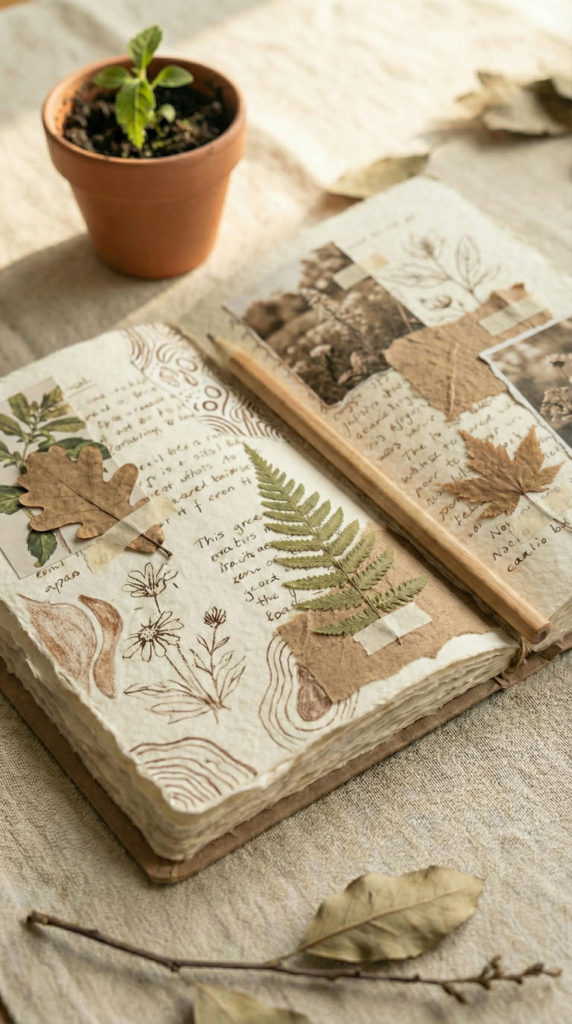
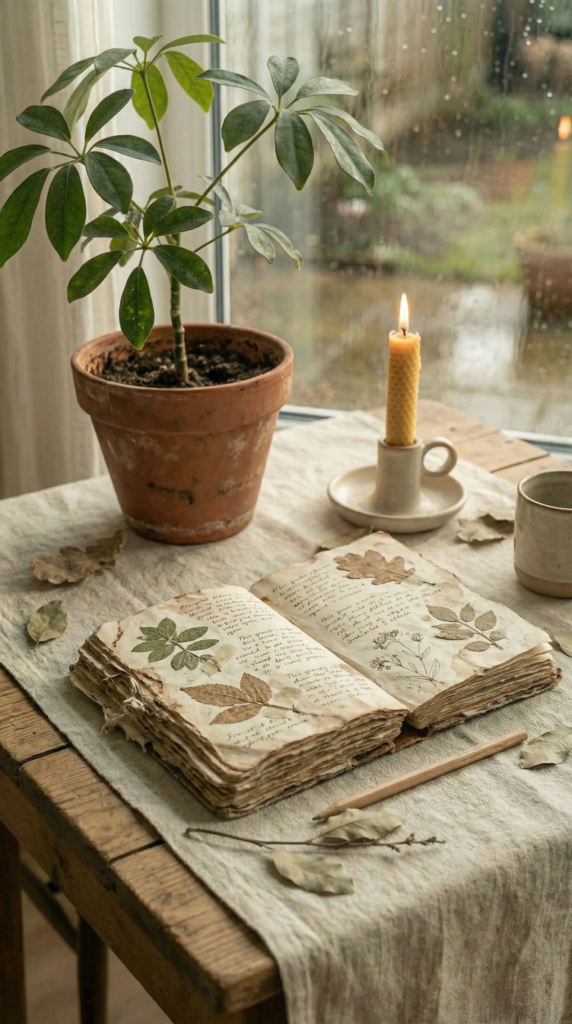
Journaling doesn’t have to just be writing; it can get creative. My favourite pages are collages made from old magazines, brown paper bags, or packaging material. Sketching leaves or pressing flowers (always picked responsibly) adds a beautiful, nature inspired vibe to any page. Even using earthy colors or recycled paints brings new texture and life to recycled paper journals.
- Cut out cool images or words from old junk mail.
- Glue pressed leaves, twig pieces, or found feathers onto a page.
- Try nature inspired paint, doodles, or watercolor backgrounds to keep it fresh and fun.
If you enjoy sharing your pages on social media, remember to “get the word out” about eco-friendly journaling tips. Inspiring a friend or two to try out reused supplies can help these simple habits “spread like wildfire” – one creative journal at a time.
Journaling for Climate Emotions and Eco-Anxiety
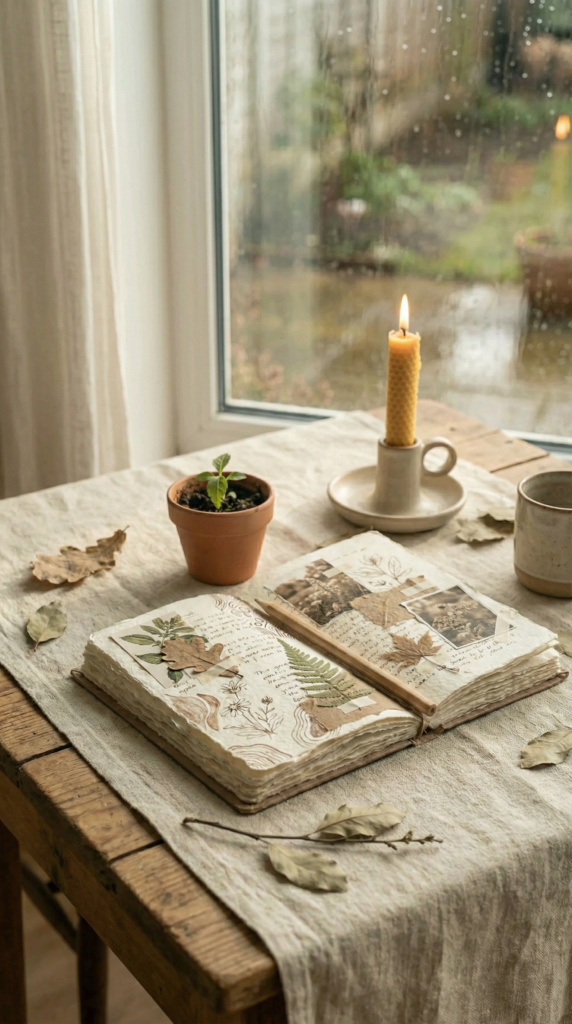
The news about climate change can get overwhelming fast. Having a journal gives me a safe place to process those feelings without spiraling into anxiety or guilt. Reflecting through writing helps me find practical action I can take, even if it’s pretty small. Sometimes I focus on hopeful stories or write about the positive impact I’ve seen in my community.
- Process concern: Write honestly about your worries and frustrations, then brainstorm one action (however small) you can try.
- Record optimism: Tell a story about progress, even if it’s just a neighbour starting a garden.
- Build resilience: Use your pages to track new eco habits or note when you help inspire someone else.
You may also want to include affirmations that keep you motivated, or little reminders that collective action, multiplied over time, leads to bigger change. Overcoming eco anxiety is often about action and hope – two things journaling makes more accessible.
How Eco-Friendly Journaling Builds Sustainable Habits Over Time
Reflection creates accountability. By jotting regular notes on what’s going well (and what isn’t), I find it easier to stay consistent with eco-friendly choices. Flipping through old entries often gives me a confidence boost, showing how far I’ve come, while also keeping my new goals top of mind. It’s almost like a gentle form of activism; these pages matter, even if they’re only seen by me. The quiet act of paying attention adds up, one page at a time.
Including monthly or seasonal summaries can help reinforce long-term progress. Try adding a “biggest lesson learned” segment every month, or list out cumulative eco wins. Over time, your journal becomes a source of hope, motivation, and personal pride in your sustainable living adventure.
Small Pages, Meaningful Change
I didn’t start journaling perfectly. But every page, every quick list, or small sketch helps me feel a little more connected, both to myself and to the planet. Jump in wherever feels right. Whether you use scraps, an app, or a beautiful, recycled paper notebook, journaling for a sustainable future is about progress, not perfection. Each note is its own step toward living better for the long haul.
Brought to you by Eco TIGA – Your FriendlyGuide to Eco-Friendly Living
Affiliate Disclosure: Some of the links in this post may be affiliate links. This means if you click on the link and make a purchase, I may earn a small commission – at no extra cost to you. Rest assured, I only recommend products or services I truly believe in and think you’ll find valuable. Thank you for supporting ecotiga.com and helping me continue to provide helpful content.