
Thinking about toys usually brings to mind plastic blocks and cute plush animals, but let’s talk about eco-friendly toys and what they mean for our planet.

This introduction is for everyone seeking eco-friendly toys and caring for the Earth and younger ones still having fun.
Traditional toy manufacturing has often overlooked environmental impact, but more people are waking up to the consequences. From mountains of non-biodegradable waste to harmful chemicals in production, the old toy-making ways aren’t cutting it anymore. That’s why eco-friendly toys are stepping in as the perfect upgrade.
These toys aren’t just for tree huggers anymore. Everyday parents and schools are embracing this trend, seeing it as a way to care for our environment while providing safe playtime adventures for kids. It’s like getting the best of both worlds-environmental sanity with a splash of fun.
The drive towards eco-friendly toys is huge right now. People value brands that care about more than just dolling out the next holiday hit or blockbuster game. They want businesses that show a genuine commitment to doing right by the Earth, and eco-friendly toys are part of that movement.
In exploring eco-friendly options, some might wonder about materials and production processes. Big wins often come from using recycled materials, sourcing from sustainable forests, or cutting out toxins altogether. This section is all about giving you a peek into why this shift is not just a passing fad but a crucial step forward.
The Benefits of Selecting Eco-Friendly Toys for Children
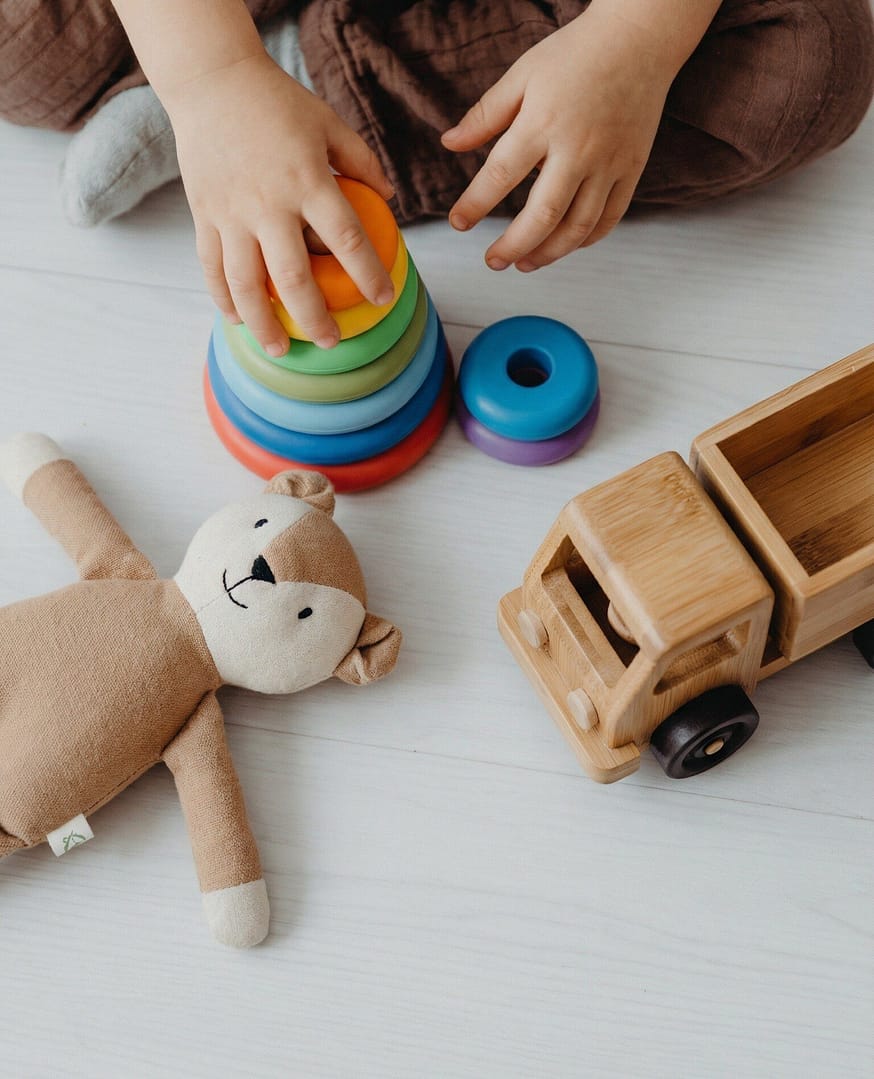
Choosing eco-friendly toys isn’t just about doing our Earth a favour-it’s also about looking out for the little ones. These toys come with a host of benefits that go beyond the environment and stretch into the realms of health, education, and durability.
Environmental perks are at the top of the list. By opting for toys made from materials like sustainably sourced wood, organic fabrics, and recycled plastics, we’re cutting down on waste that ends up in landfills. Plastics can take centuries to decompose, but eco-friendly options offer a sustainable alternative.
It’s a win for our kids’ health, too. Traditional toys can be filled with chemicals that aren’t safe for human exposure, let alone something that toddlers put in their mouths. Eco-friendly toys are often free from toxins, making them a safer choice for playtime.
Education is another powerful benefit. Children learn by playing, and introducing eco-friendly toys can teach them about sustainability from a young age. These toys often come with stories or concepts that promote environmental awareness, offering an educational playtime.
Don’t forget about quality and durability. While some might think green products aren’t as sturdy, eco-friendly toys are often designed to last longer. They may be a bit pricier upfront, but their extended lifespan can mean fewer purchases in the long run.
All these factors combine to make eco-friendly toys a smart choice for anyone looking to elevate their playtime experience. It’s about choosing better for our kids and our planet.
How to Choose the Right Eco-Friendly Toy
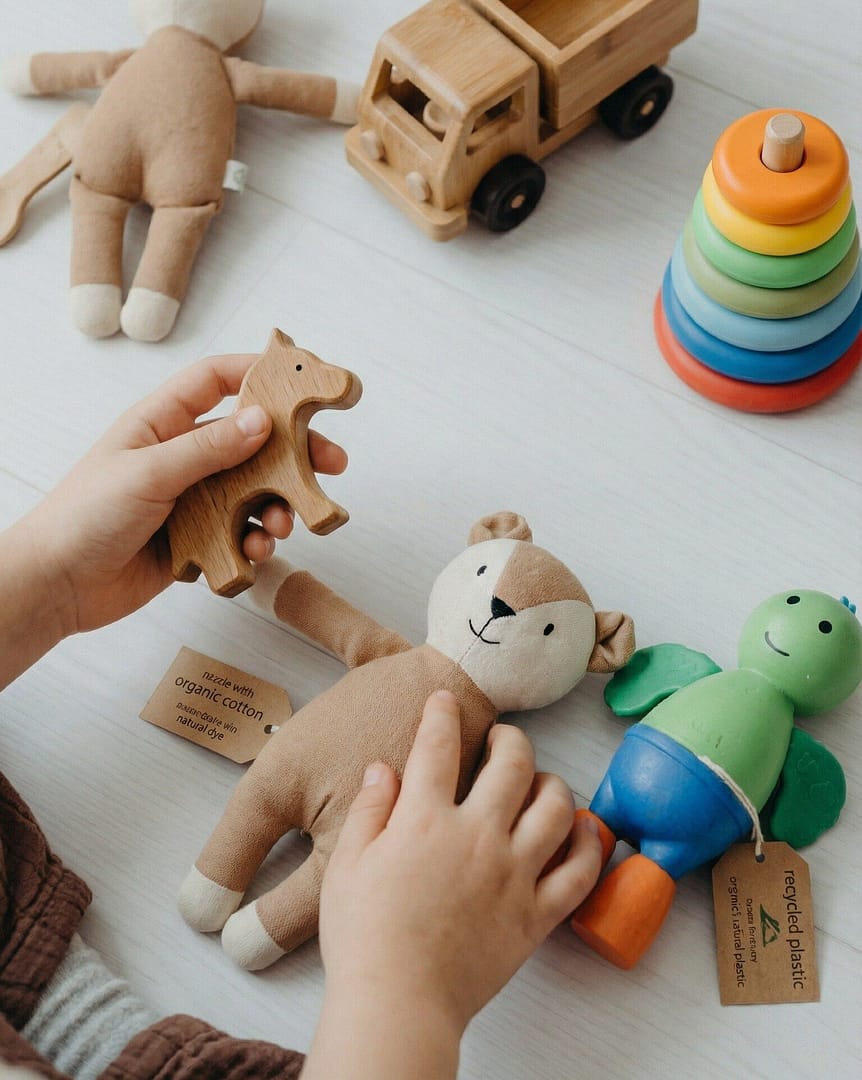
With so many eco-friendly toys out there, picking the right one can feel a bit like navigating a jungle gym. Understanding the materials is key. Look for toys made from sustainable sources like bamboo, organic cotton, or FSC-certified wood, and steer clear of anything loaded with volatile organic compounds or other nasty chemicals.
There’s some pretty cool brands leading the way in green toy-making. Companies like Green Toys and Plan Toys are not only designing with the environment in mind but are also committed to ethical production practices. They serve as great examples of how to keep things playful yet planet friendly.
Authenticity matters when it comes to eco-friendly claims. Picking toys that are certified by reputable eco-labels can be super helpful. Certifications like GOTS for organic textiles or the Blue Angel for eco-friendly products ensure that the toys are truly kind to Mother Earth.
A bit of practical shopping advice? Always check for age-appropriate options and look into the toy’s end-of-life options. Is it recyclable, or better yet, biodegradable? Figuring out these end steps can ensure you keep your choices environmentally conscious every step of the way.
Choosing the right toy is about combining fun, safety, and sustainability. With a little knowledge and some careful consideration, you can make toy shopping a rewarding experience for both you and the planet.
Brought to you by Eco TIGA – Your Friendly Guide to Eco-Friendly Living
Affiliate Disclosure: Some of the links in this post may be affiliate links. This means if you click on the link and make a purchase, I may earn a small commission – at no extra cost to you. Rest assured, I only recommend products or services I truly believe in and think you’ll find valuable. Thank you for supporting ecotiga.com and helping me continue to provide helpful content.
Hey Michelle,
Thoughtful guide. For me, the sweet spot with eco-friendly toys is durable materials, simple design, and a clear end-of-life plan. Solid wood with non-toxic finishes, silicone for bath play, and recycled plastics that can be recycled again beat trendy sets that break in a week. I also look for refillable art supplies, modular toys that can grow with the child, and packaging that is minimal and curbside recyclable. Secondhand is underrated, too. A well-loved wooden set that gets a second life is greener than anything new. The goal is fewer, better toys that invite imagination and survive years of play.
Marios
My sentiments exactly. My grandchildren play with wooden toys I’ve kept since my children were young, I also purposely purchase wooden toys for the grandies as gifts with the hope that their parents will keep them for great grandies in the future 🙂
This is a strong, approachable guide that makes eco-friendly toy choices feel practical instead of overwhelming. What works especially well is the balance between environmental responsibility and real parenting needs — safety, durability, and value. The article doesn’t just promote “green” as a trend; it explains why materials, production methods, and certifications actually matter, which builds credibility.
The section on health benefits is particularly important. Highlighting toxin-free materials connects sustainability directly to child wellbeing — a decision driver for parents. I also like the focus on longevity and quality, which reframes eco-friendly toys as a long-term investment, not just an ethical purchase.
The buying guidance is useful and actionable: looking for FSC wood, organic fabrics, and trusted certifications helps readers avoid greenwashing. Mentioning specific brands adds clarity without feeling pushy.
If anything, adding a quick comparison between eco-friendly vs. conventional toy lifecycles (waste, durability, safety) could make the impact even clearer.
Overall, this is an informative, reassuring resource that supports parents in making smarter, safer, and more sustainable playtime choices while reinforcing Eco TIGA’s role as a trusted guide.
Thank you so much Paul for taking the time to write this, I really appreciate it!
When I put this guide together, I just wanted it to feel simple and doable. Parenting is busy enough without making eco choices feel complicated. If it feels too technical, most of us will switch off and grab whatever is easiest. So I’m really glad it came across as practical.
I’m especially pleased the health side stood out to you. For me, being eco-friendly isn’t just about the planet, it’s about our kids too. If a toy is safer and made without harmful stuff, that’s a big win. And yes, quality really matters. A toy that lasts through siblings, cousins, and a few dramatic playtime moments is always better than one that breaks in a week.
I love your idea about adding a simple comparison between eco-friendly and regular toys. That would make the difference even clearer. I’ll definitely look at adding something like that.
Thanks again for your kind words and support. It really means a lot.
This is a well-articulated and timely discussion that effectively connects environmental responsibility with child safety and developmental value. I appreciate how you address both the broader sustainability impact and the practical considerations parents face when selecting toys. Highlighting certifications and reputable brands adds credibility and actionable guidance for informed purchasing decisions. Overall, the piece thoughtfully positions eco-friendly toys as a meaningful investment in both children’s well-being and the planet’s future.
Hi Kavitha,
Thank you so much for such a thoughtful comment.
When I wrote that piece, I really wanted it to feel balanced. As parents, we’re not just thinking about the planet in some distant future. We’re thinking about what’s in our children’s hands right now. Safety, learning, durability, and yes, the bigger environmental picture too. They all sit at the same kitchen table.
I’m glad the practical side came through. Certifications and trusted brands can feel a bit confusing at first, and my hope was to make that part clearer so families feel confident rather than overwhelmed.
I truly believe eco-friendly toys aren’t about trends or guilt. They’re about choosing things that last, that are safer, and that quietly respect the world our kids are growing up in.
Thank you again for taking the time to share your thoughts. It means a lot to know it resonated with you.