
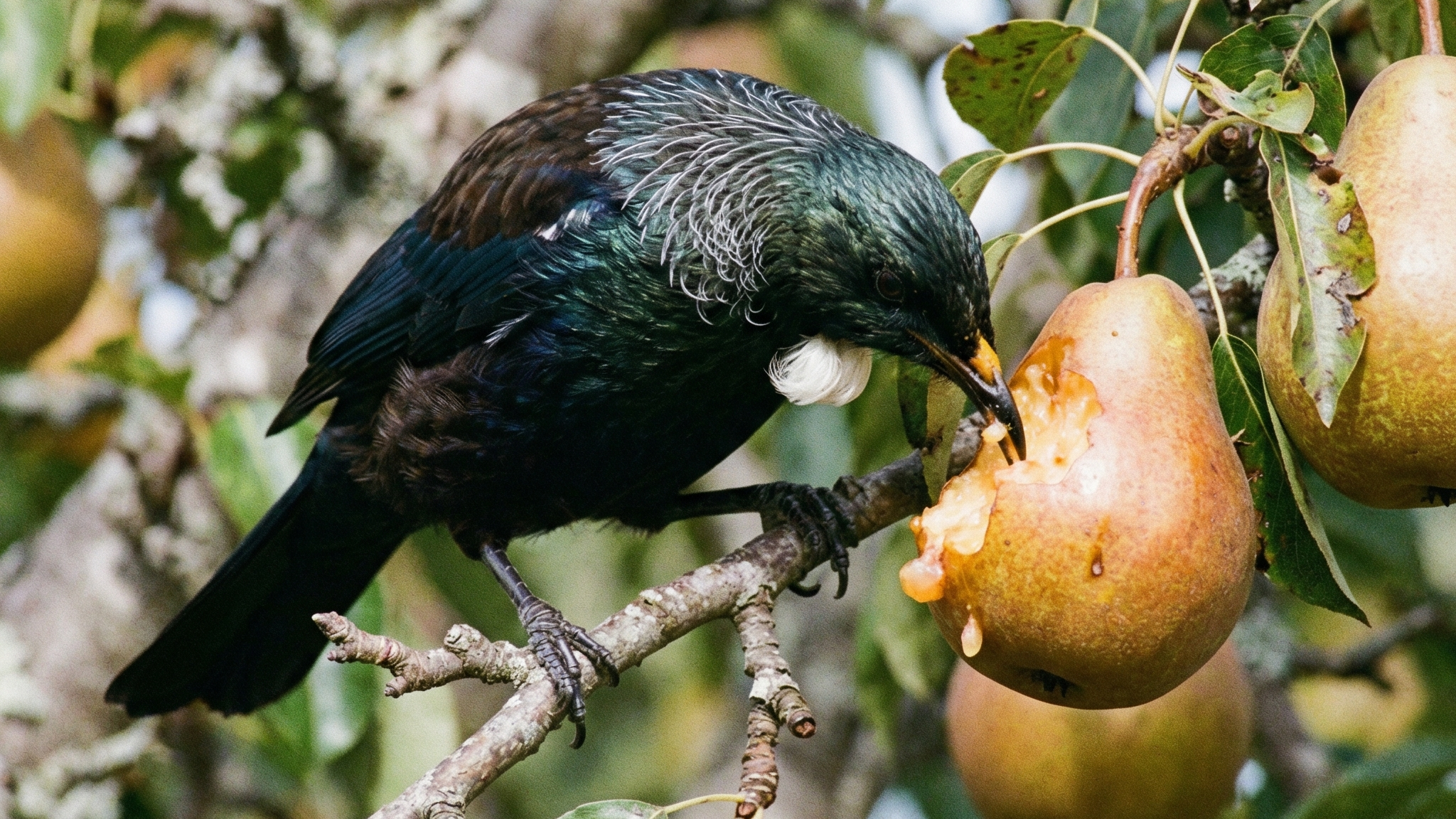
Organic abundance is in full swing on my small New Zealand farmlet rental, where spray-free pears, lemonade fruit, passionfruit, figs and avocados are ripening faster than I can pick them. The only competition? The local Kereru, Tui, Pheasants, Pukeko, Fantails and Quail who are just as eager for harvest season as I am.
Harvest Days on the Farmlet

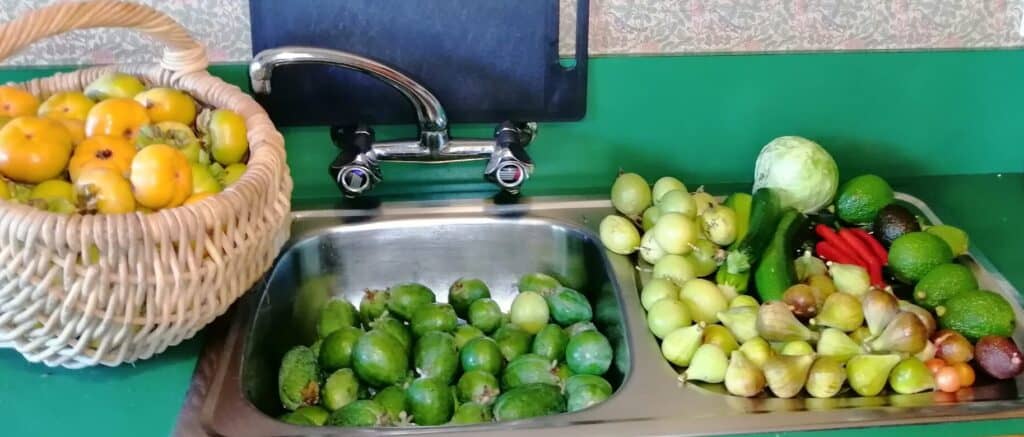
The kitchen bench tells the story better than I can. Pears piled into a white tray, still wearing a few leaves like they refused to clock off. Mixed in with them are bright yellow lemonade fruit, glowing softly and pretending they’re just lemons with better personalities. Figs gathered into a metal bowl, purple and plump. Passionfruit clustered in baskets. Avocados quietly waiting their turn. Even a few Macadamias needing to be shelled.
It looks abundant. It feels abundant.
And every single piece is organic. No sprays. No chemicals. No shortcuts. Just soil, sun, rain, patience and a bit of hopeful optimism.
The Daily Fruit Patrol
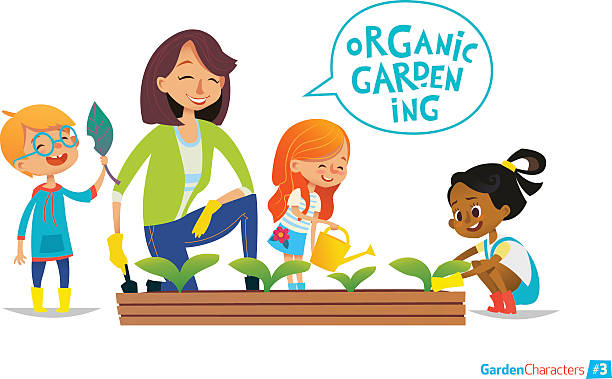
When you grow organically, you don’t get to be lazy.
You become part gardener, part wildlife negotiator.
Because I am not the only one watching those trees ripen.
The local crew here includes:
- Kereru with their majesty, can hear them flying in
- Tui, sharp-eyed and opportunistic
- Pheasants strutting like they own the orchard
- Pukeko, bold as brass
- Fantails flitting through like tiny supervisors
- Quail doing quiet reconnaissance
If I don’t check daily, the harvest becomes a community feast.
And honestly? I can’t even be mad about it. This is what a living ecosystem looks like. When you grow without chemicals, you are part of the food chain again. You share.
Imperfect Is Perfect

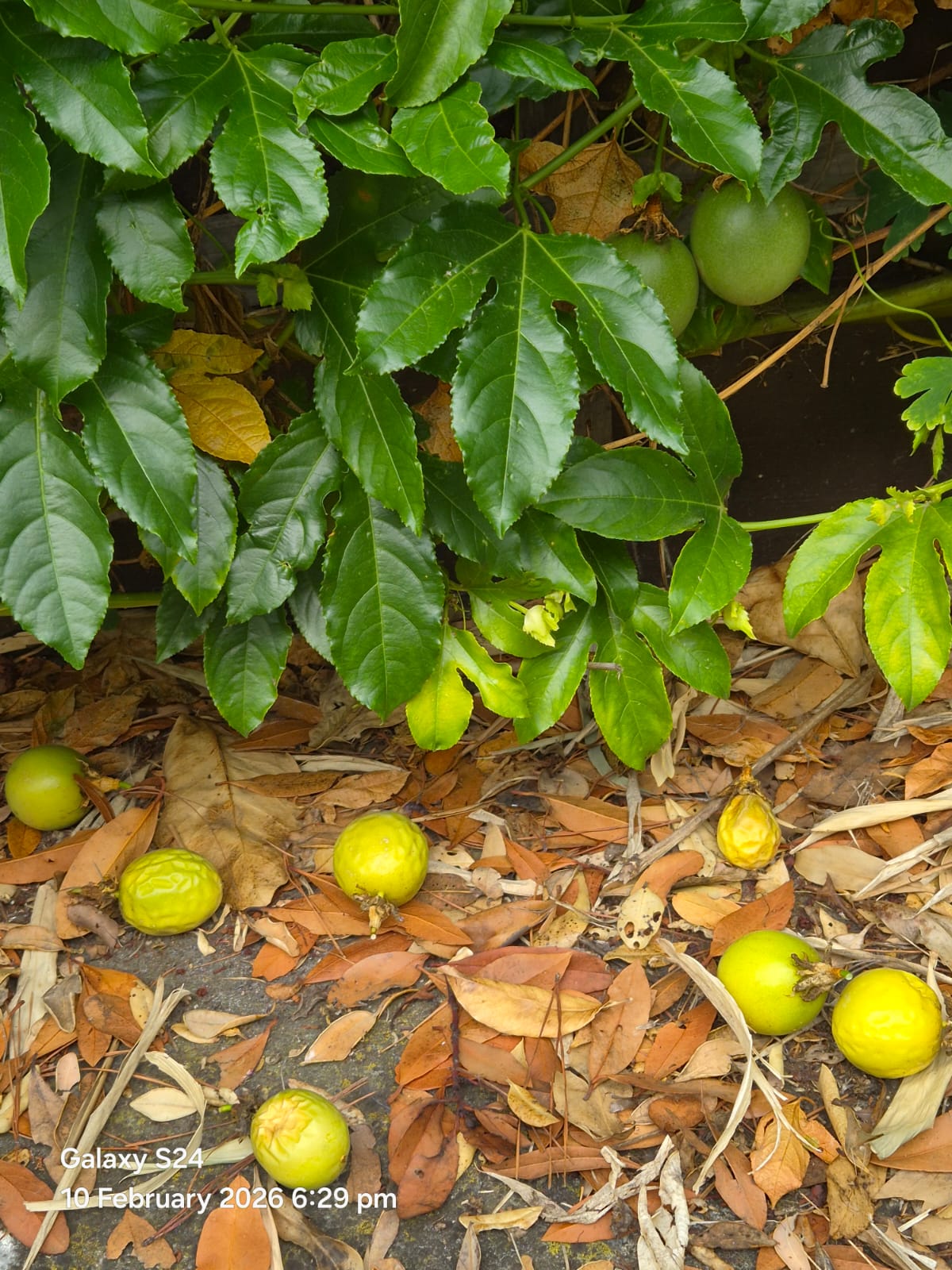
Some pears have freckles. A few Figs carry small peck marks. The passionfruit bruise easily. Nothing looks airbrushed.
But they taste like they know where they came from.
Organic fruit has a different kind of honesty. It hasn’t been forced, polished, sprayed or preserved into submission. It ripens in its own time. It drops when it’s ready. Sometimes it disappears into a Kereru’s very satisfied belly.
That’s farming on a small scale. That’s farmlet life.
Why Organic Matters
Growing without sprays is not just about avoiding chemicals. It is about allowing life to hum properly.
- The soil stays alive
- The insects do their work
- The birds become partners instead of pests
- The seasons dictate the rhythm
You notice more. You respect more. You waste less.
It also means you pay attention. You walk the rows daily. You check leaves. You feel fruit for softness. You learn patience in a way that no app or alarm can teach.
Busy, Grateful, and Slightly Outnumbered

Harvest season is busy. The kind of busy that fills baskets, bowls and countertops. The kind that makes you stand back in the kitchen and think, “Well, this is why I do it.”
It is work. It is daily checking. It is sometimes racing a Tui to a perfectly ripe pear.
But it is also abundance in its purest form.
And tomorrow morning, I will be out there again. Basket in hand. Keeping an eye on the trees. Sharing a little with the birds. Claiming a little for myself.
That’s the deal when you grow clean.
And honestly? I wouldn’t have it any other way
If you’re growing your own food, even just a balcony herb pot, you’re part of this same quiet revolution. Growing clean. Growing thoughtfully. Growing in rhythm with nature instead of against it.
And if you ever feel like the wildlife is winning… just remember, you chose organic. They noticed.
Nice website layout, easy to navigate and understand. Great placements of photos, in the article and borders. Love the analogy “You become part gardener, part wildlife negotiator.” As someone who is just starting to appreciate and enjoy the benefits of organic foods and products, this was very interesting to see what goes into it. Definitely comes across as an honest perspective and someone who takes this seriously and finds it enjoyable. Just wish I could start my own garden and put these into practice, but has opened my eyes to what organic really is and why it’s better.
Hi John,
Thank you so much for this lovely comment, it really made me smile ????
I’m so glad you enjoyed the layout and photos. I always hope the page feels calm and easy to wander through, a bit like strolling through the garden itself. And I’m thrilled the “part gardener, part wildlife negotiator” line stood out to you because that is exactly what it feels like some days. The birds definitely think they’re shareholders in the operation.
It’s wonderful to hear you’re starting to appreciate organic foods and products. That’s how it begins for most of us, just curiosity, then a few small changes, and suddenly you’re reading labels and noticing seasons. You absolutely don’t need a big garden to start. Even a pot of herbs on a windowsill can feel like a tiny rebellion against the supermarket aisle.
What I love most about growing organically is that it slows you down. You see what goes into your food, the patience, the soil, the odd battle with feathered friends. It makes you value it differently.
Thank you again for taking the time to share your thoughts. If you ever do decide to start that little garden, I’ll be cheering you on from my patch of earth.
Thank you for such an inspiring and down-to-earth post! I’m really leaning more into organic fruits and vegetables myself, so reading about your harvest days and how organic abundance means more than just great produce really resonated with me. I especially loved the way you described imperfect fruit: little ‘freckles’ and all, because that’s exactly what I’ve noticed in my own organic journey: the flavours feel truer, and there’s so much more connection to how the food was grown.
Your description of becoming part gardener, part wildlife negotiator really hit home. It’s a gentle reminder that organic growing is about working with nature rather than controlling it. Thanks for sharing your experience; it encourages me to stay the course and enjoy the small, honest victories in my own garden!
Hi Alysanna,
This was such a beautiful comment to read, thank you.
I love that you mentioned the “freckles.” Those little marks really do tell a story, don’t they? They’re like quiet proof that something grew slowly, naturally, without being polished into perfection. And you’re so right about the flavour. It feels fuller somehow, like the fruit remembers the sun and rain that shaped it.
It makes me so happy that you’re leaning further into organic growing yourself. There’s something deeply grounding about it. The small harvest days, the tiny wins, even the lessons when things don’t go to plan. They all add up to something richer than just what ends up on the plate.
And yes, the wildlife negotiations are very real here too. Some days I feel like I’m running a shared garden agreement with wings involved. But you’ve said it perfectly. It’s about working with nature, not trying to dominate it.
Thank you for sharing your own journey. Stay the course, enjoy those honest little victories, and celebrate every freckled piece of fruit along the way.